Top 10 Gopher Resistant Plants
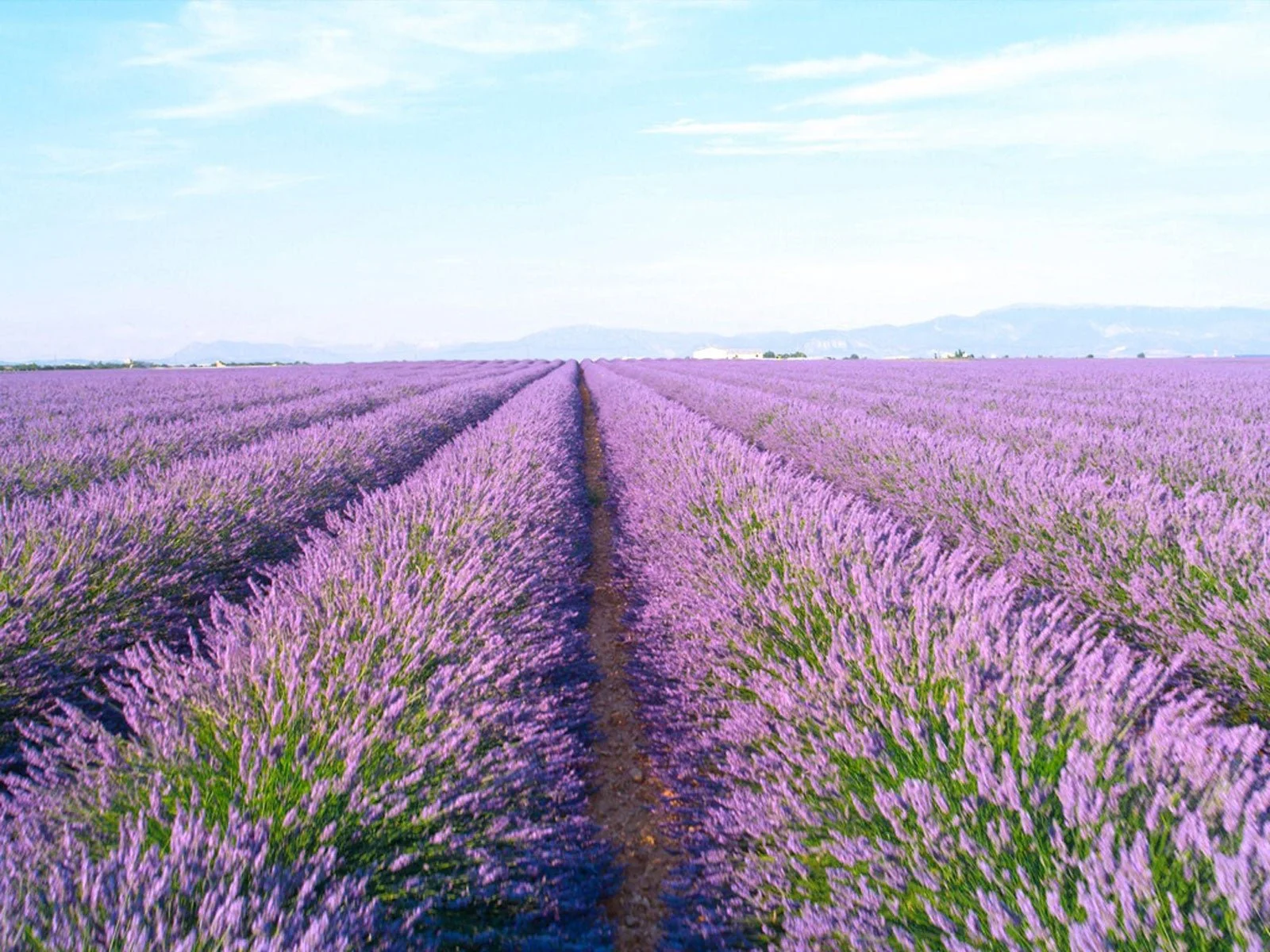
Pretty sure this is a gopher food desert…
By Annie
Creating a beautiful, drought-tolerant garden in Northern California is already a smart move—but if you’ve ever battled gophers, you know plant selection becomes even more critical. The reality, however, is worth stating upfront: no plant is truly gopher-proof. Hungry gophers can and will eat almost anything when food is scarce.
That said, many plants are consistently avoided due to characteristics like strong scent, toxic sap, tough roots, or unpalatable textures. By choosing these wisely—especially California natives adapted to dry summers—you can dramatically improve your odds of success while keeping water use low.
Below are ten of the best gopher-resistant, drought-tolerant, and easy-to-grow plants for Northern California gardens, and especially those in the San Francisco Bay Area counties of San Mateo and Santa Clara.
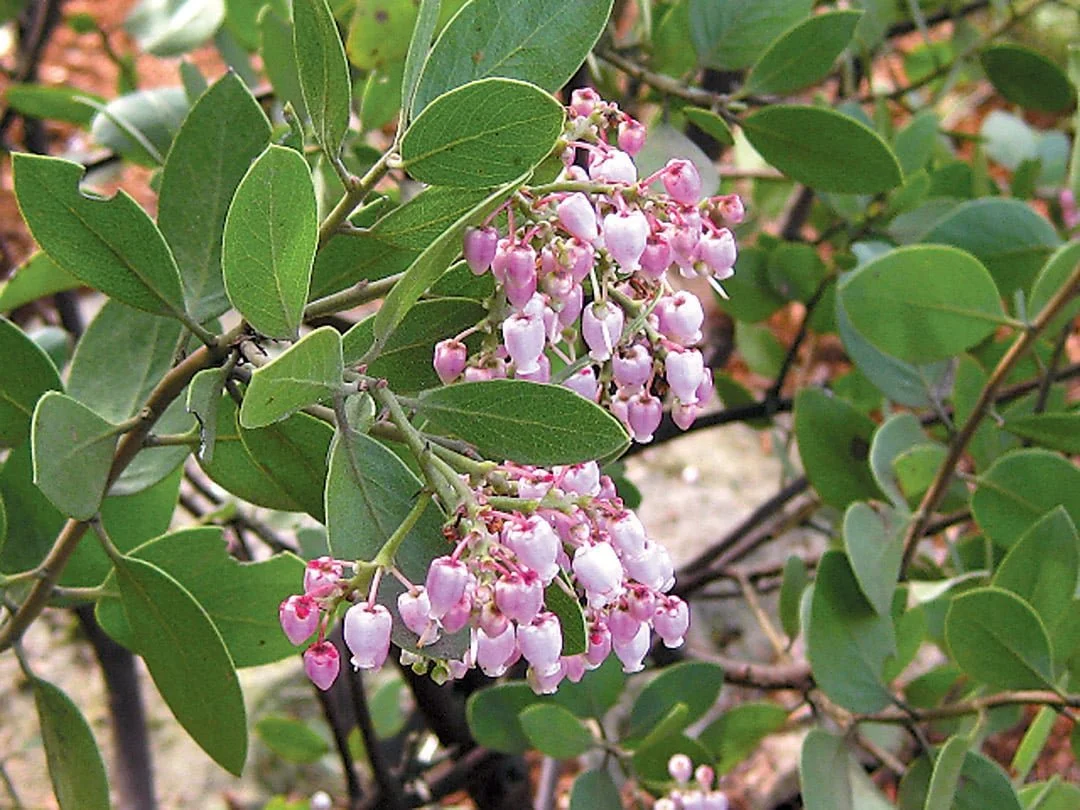
Arctostaphylos densiflora ‘Howard McMinn’
1. Manzanita (Arctostaphylos spp.)
Manzanitas are a cornerstone of California native landscaping—and for good reason. Their leathery leaves and woody structure make them less appealing to gophers, while their deep roots help them thrive with minimal water.
Varieties like Arctostaphylos edmundsii 'Big Sur' are especially valued for compact growth and drought tolerance, requiring little to no irrigation once established.
Why it works: tough roots, low water needs, native resilience.
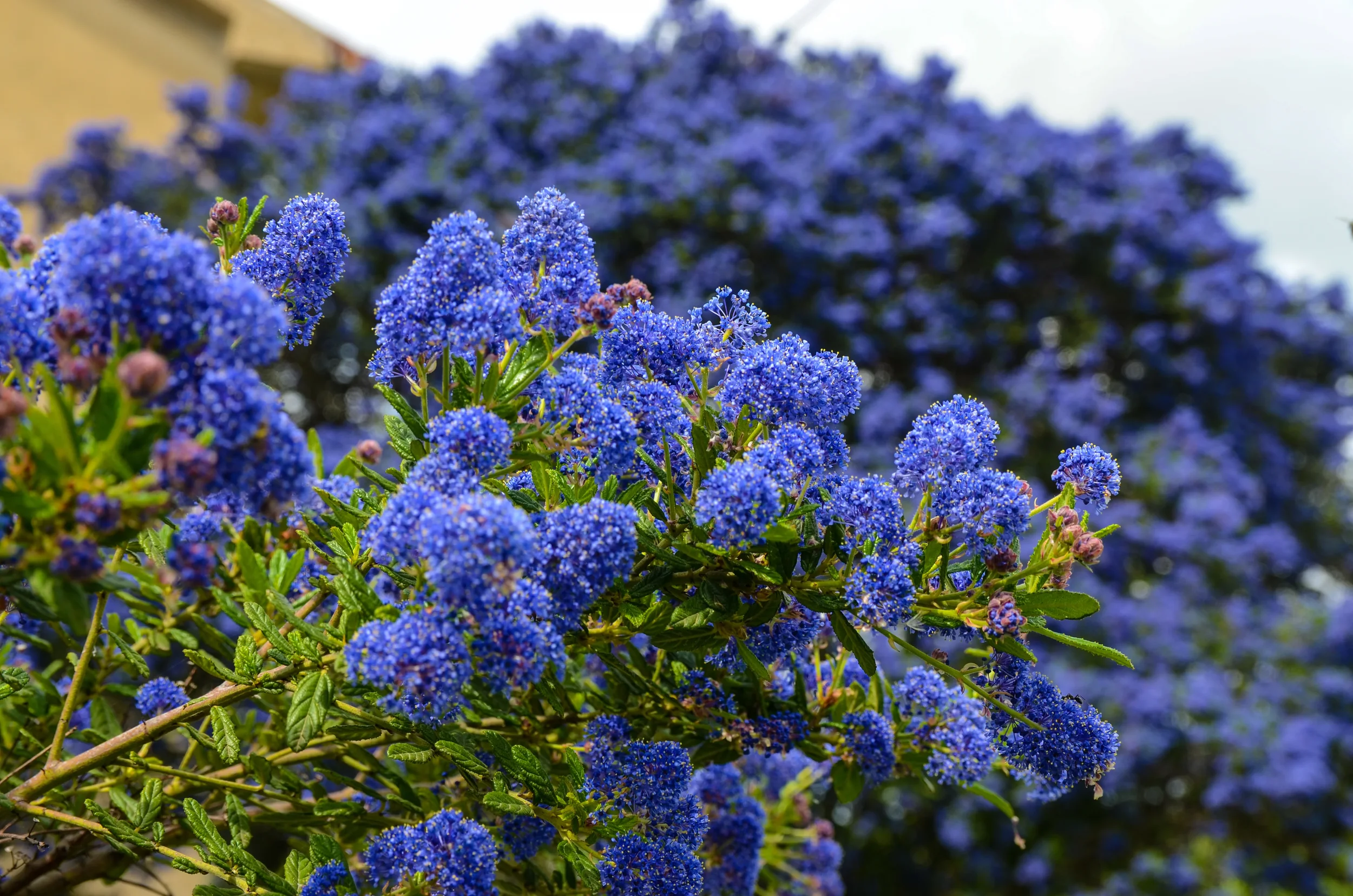
Ceanothus ‘Dark Star’
2. California Lilac (Ceanothus spp.)
Known for its vibrant blue blooms, Ceanothus is both beautiful and practical. Many gardeners report it being relatively gopher-resistant, especially once mature. It also comes in a variety of colors and forms, from low growing variegated ‘Diamond Heights’ to 6’ shrubs with deep blue (‘Dark Star’) or white (‘Snow Flurry’) flowers, and small trees with sky blue blooms (‘Ray Hartman’).
It thrives in poor soils and needs little summer water, making it a staple in xeriscaping.
Why it works: woody roots, drought-adapted, fast establishment.
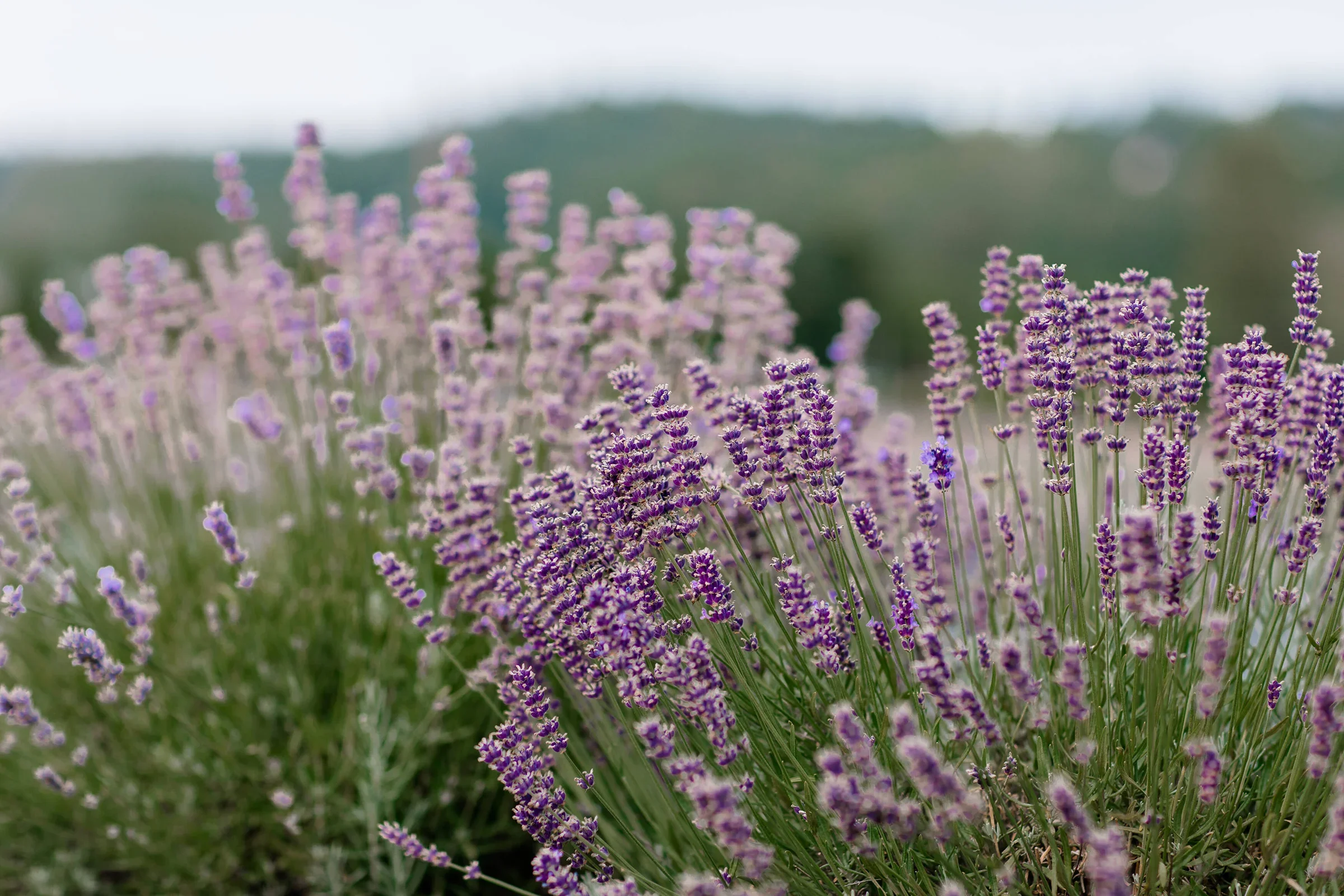
Lavenders like a hot, dry site
3. Lavender (Lavandula spp.)
Lavender’s strong fragrance is one of its best defenses. Gophers tend to avoid highly aromatic plants, making this a reliable addition to problem areas.
It also thrives in full sun, requires excellent drainage, and needs very little water once established.
Why it works: strong scent, low maintenance, pollinator-friendly.
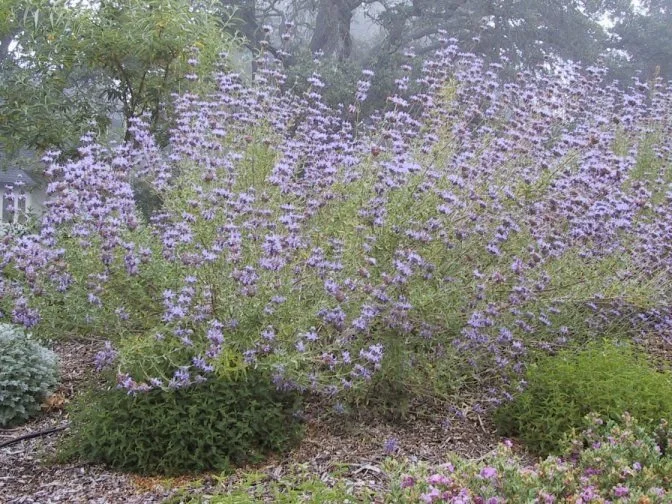
Salvia clevelandii ‘Winifred Gilman’
4. Sage (Salvia spp.)
California native sages like Salvia clevelandii or non-natives like the Mexican S. leucantha are incredibly hardy and widely avoided by gophers due to their pungent oils.
They’re also among the easiest plants to grow in dry conditions and support native pollinators.
Why it works: aromatic foliage, drought toughness, ecological value.
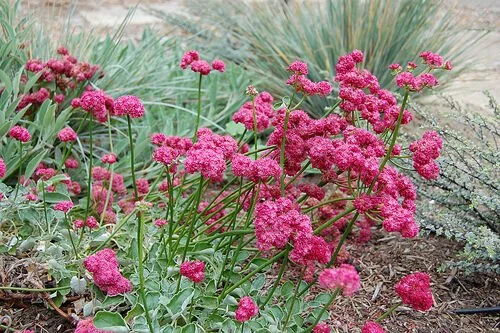
Eriogonum grande rubescens
5. California Buckwheat (Eriogonum spp.)
A powerhouse native plant, California buckwheat thrives in dry, poor soils and is rarely bothered by gophers.
It produces long-lasting blooms that shift color over time and support beneficial insects.
Why it works: fibrous roots, adaptability, extreme drought tolerance.
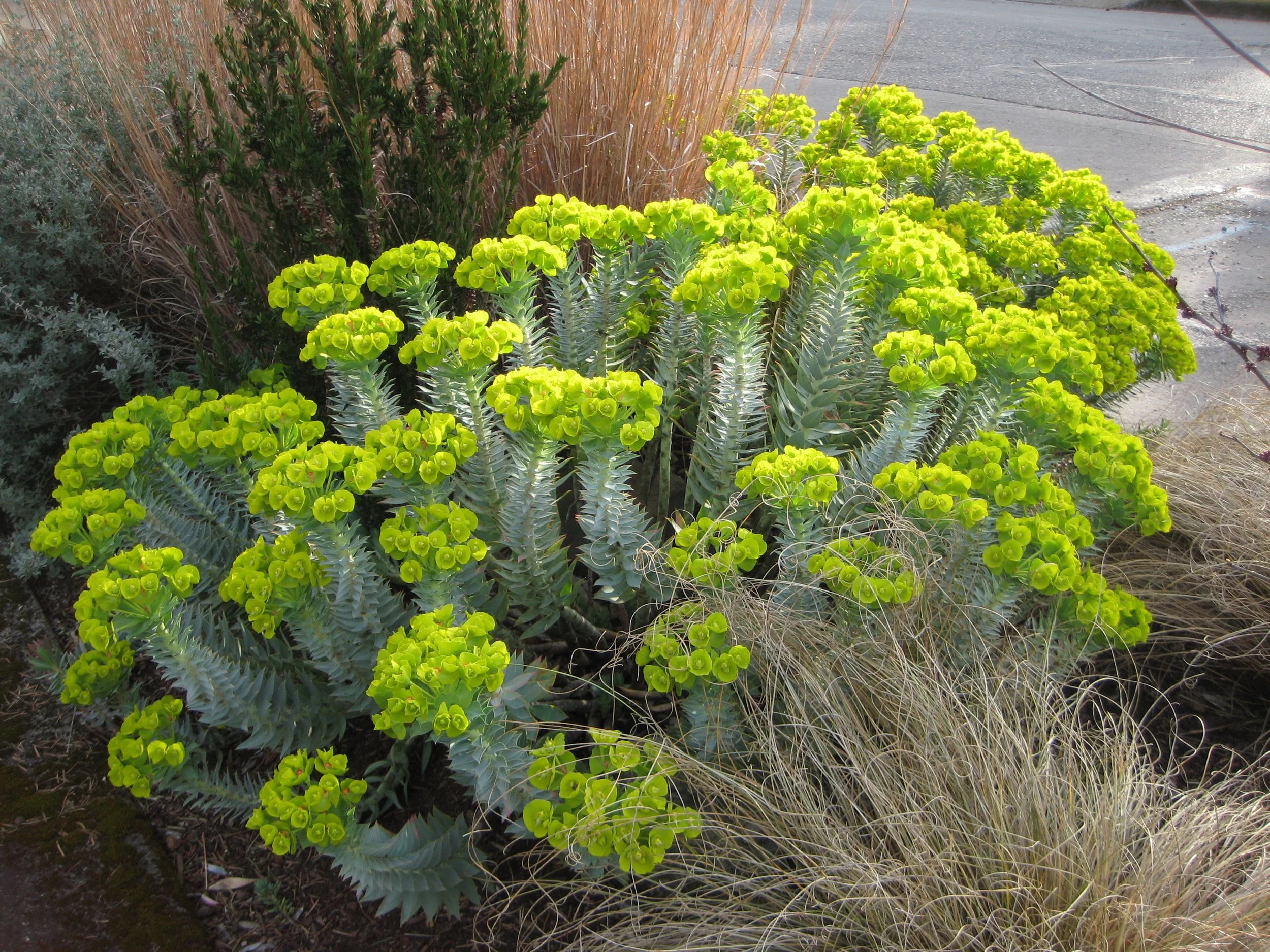
Euphorbia rigida
6. Gopher Plant (Euphorbia spp.)
Sometimes the name says it all. Plants in the genus Euphorbia produce a milky sap that is toxic and irritating, which helps deter gophers and other pests. Great examples are E. rigida, E. characias and E. lambii
These are also a striking architectural plants perfect for modern xeriscapes.
Why it works: toxic sap, heat tolerance, low water needs.
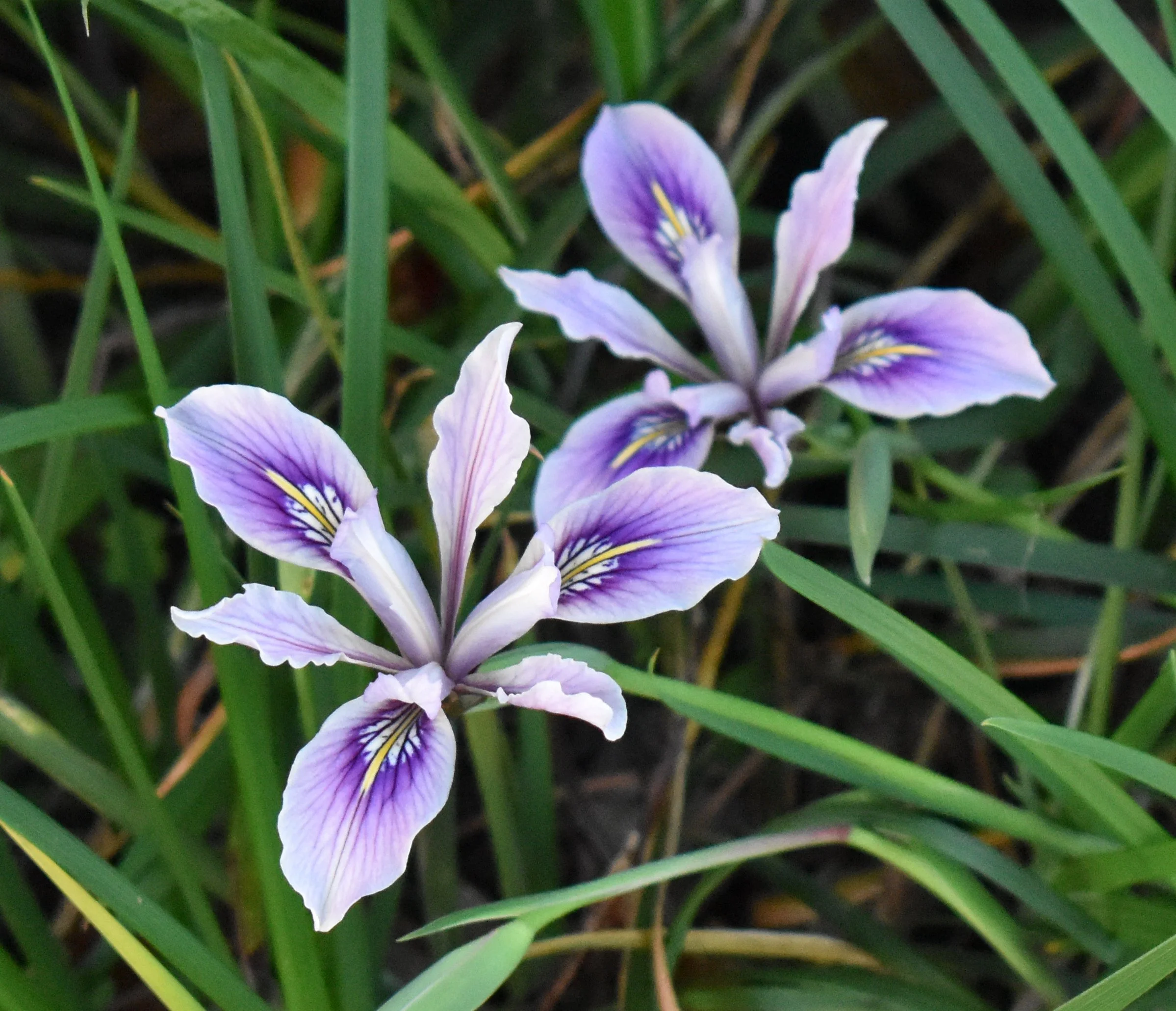
Iris douglasiana
7. Douglas Iris (Iris douglasiana)
A beautiful native perennial, Iris douglasiana offers showy spring flowers and evergreen foliage. Lots of cultivars have been dveloped with colors ranging from lavender-blue, deep purple, reddish-purple, white, and pale yellow. These flowers often have contrasting gold, white, or dark purple veinings (signaling) on the petals.
This plant tolerates dry and shady conditions once established and is reported to be both deer- and gopher-resistant.
Why it works: tough rhizomes, adaptable to coastal Northern California.
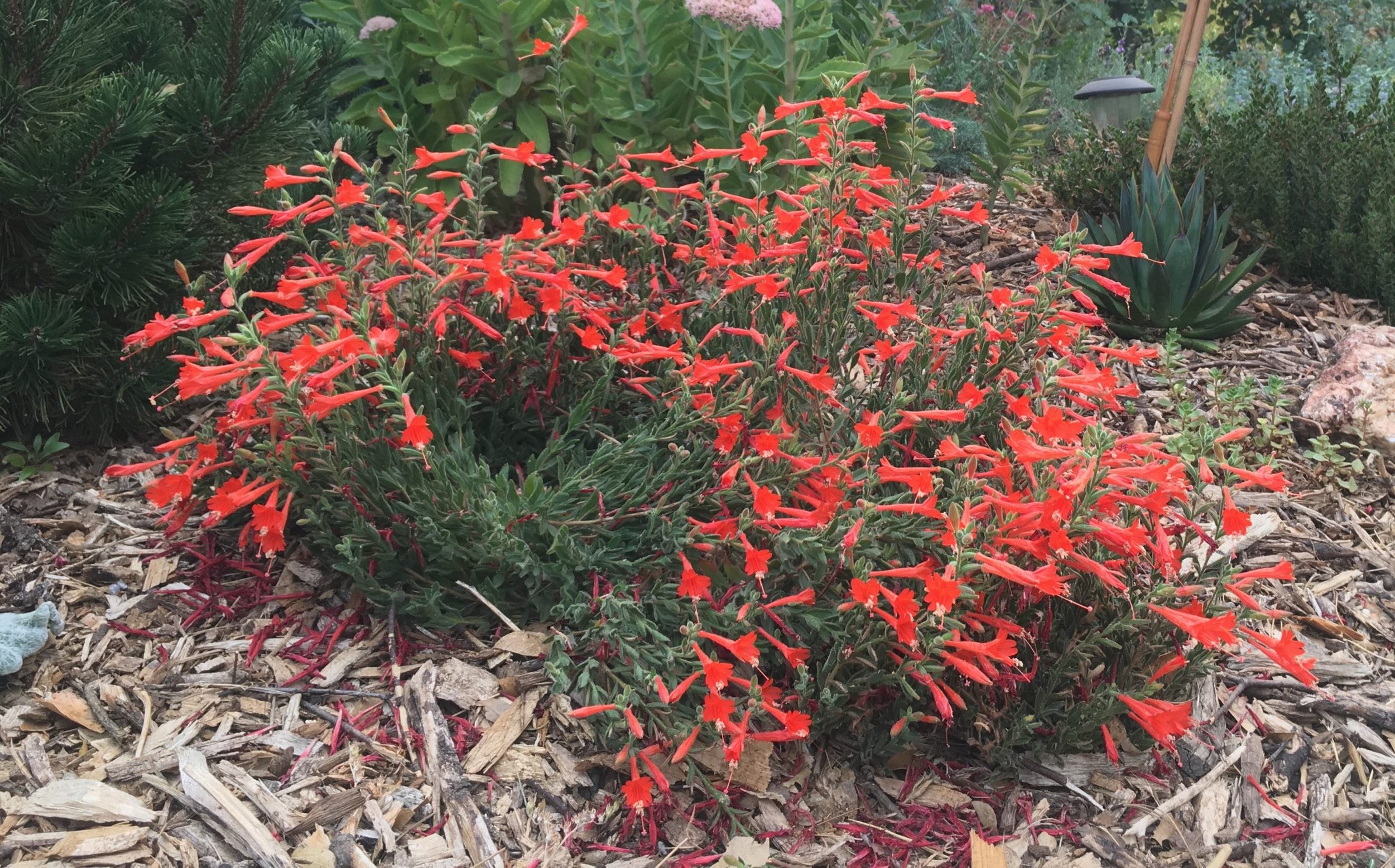
Epilobium ‘Everett’s Choice’
8. California Fuchsia (Epilobium spp.)
This late-summer bloomer brings bright color when most drought-tolerant plants are fading.
It spreads easily, tolerates neglect, and is commonly listed among gopher-resistant California natives.
Why it works: vigorous growth, spreads quickly, drought adapted.
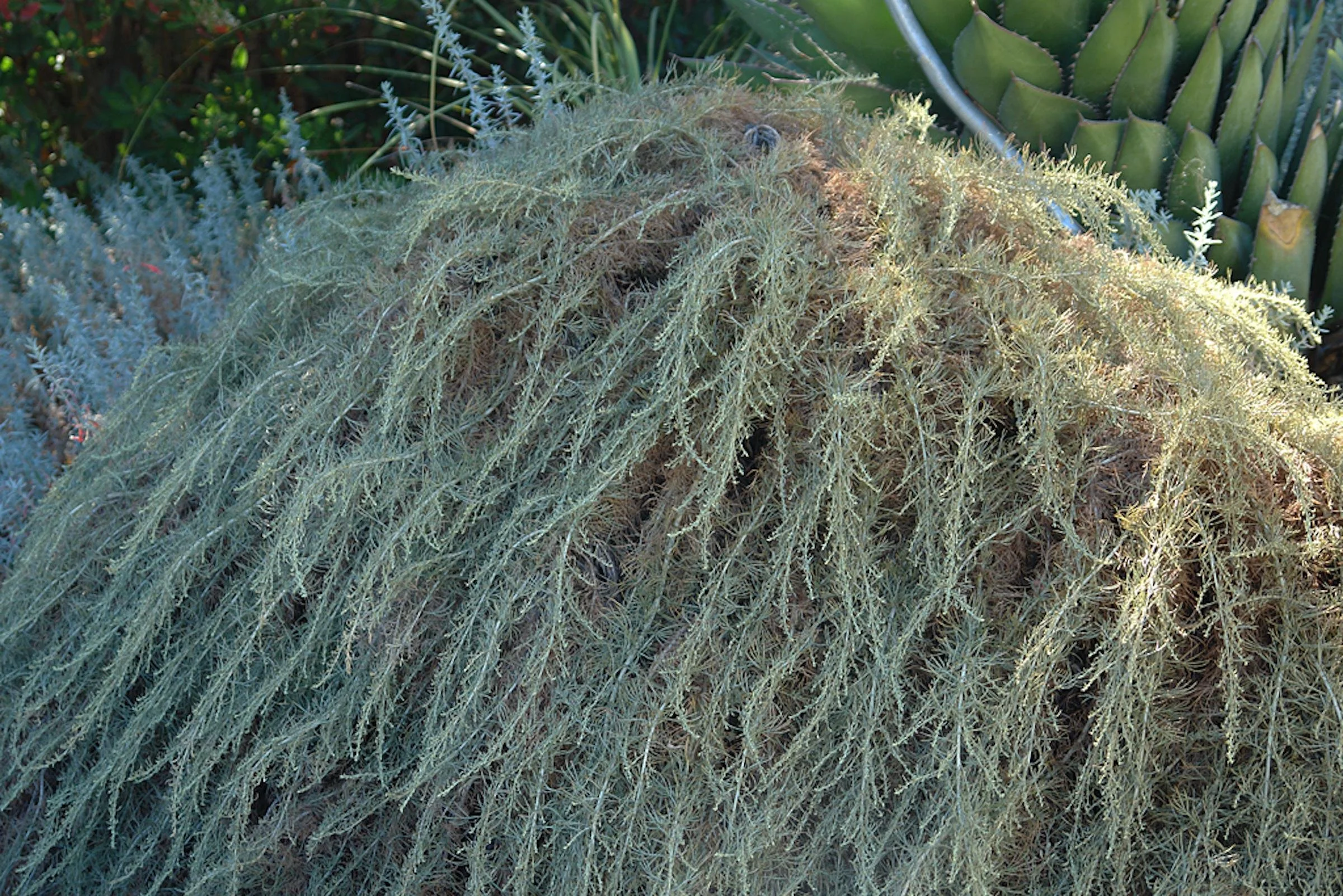
Artemisia californica ‘Canyon Gray’
9. Artemisia
Species like Artemisia californica or cultivars like Artemisia ‘Powis Castle’ among others are both drought-tolerant and often avoided by gophers.
With a strong scent, bitter taste, and potentially toxic chemical compounds, such as hydrocyanic acid, gophers dislike them, and they perform well in sunny, well-drained soils.
Why it works: bitter taste, low water needs, easy to care for.
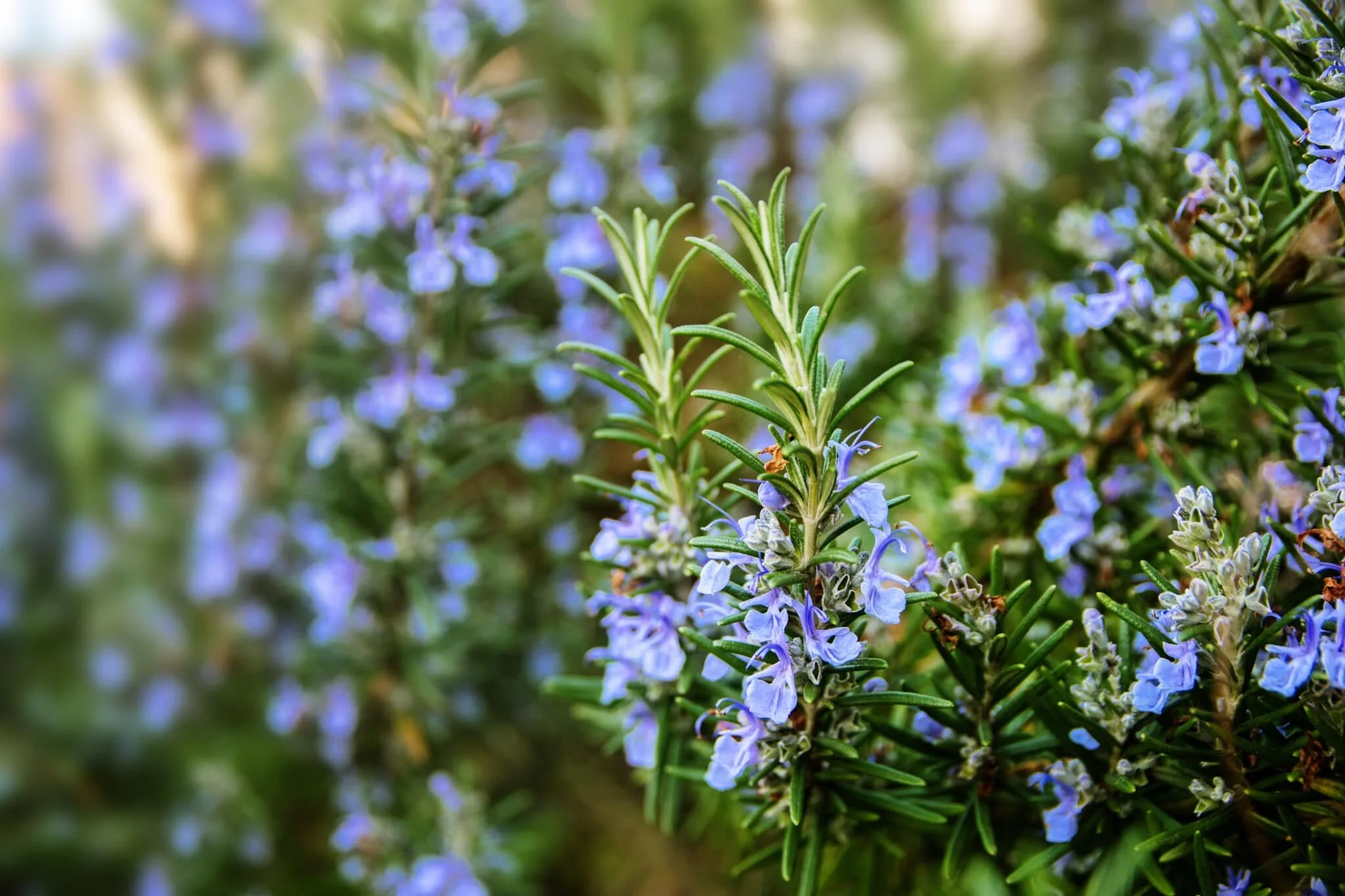
Rosemary ‘Tuscan Blue’
10. Rosemary (Salvia rosmarinus, syn. Rosmarinus officinalis)
A Mediterranean classic that thrives in California’s climate, rosemary is both edible and ornamental, this plant has blue flowers and a tidy shape that can be pruned to suit. It also comes in a prostrate form to scramble over rocky ground or down walls.
Its woody stems and aromatic oils make it one of the most commonly cited gopher-resistant plants.
Why it works: strong scent, drought resilience, multi-purpose use.
Why “Gopher-Resistant” Doesn’t Mean Safe
It’s important to keep expectations realistic. Even plants widely considered resistant can still be eaten. As one gardener put it on Reddit:
“When a gopher targets a plant, they kill the whole thing.”
Gophers are opportunistic. Resistance simply means less likely to be eaten, not immune.
Tips for Success in Gopher-Prone Gardens
Choosing the right plants is only part of the strategy. For best results:
Use gopher baskets or hardware cloth when planting high-value specimens
Plant densely so losses are less noticeable
Favor California natives, which are adapted to both drought and local pests
Water deeply but infrequently to encourage deep roots
Expect some losses and design for resilience, not perfection
Why Work with Xeric Oasis?
At Xeric Oasis, we specialize in drought-tolerant landscaping, xeriscape design, and lawn replacement in the Bay Area.
We help homeowners:
Replace high-water lawns with stunning, low-water landscapes
Select the right plants that are resistant to gophers, deer, rabbits and other pests.
Design outdoor spaces that balance beauty, function, and sustainability
From consultation to installation, our goal is to create landscapes that thrive with minimal water—without sacrificing style.
👉 Ready to transform your garden into a place gophers want to leave? Contact us to schedule a consultation.
Final Thoughts
A thriving, low-water garden in Northern California is absolutely possible—even with gophers in the mix. By focusing on drought-tolerant, aromatic, or tough-rooted plants, you can tilt the odds in your favor while building a landscape that’s both sustainable and beautiful.
The key is to think in terms of resistance, not perfection. Combine smart plant choices with practical protections, and your garden can flourish despite the underground challenges.