How to Improve Clay, Sandy, and Rocky Soils
For Drought Tolerant Gardens in the San Francisco Bay Area
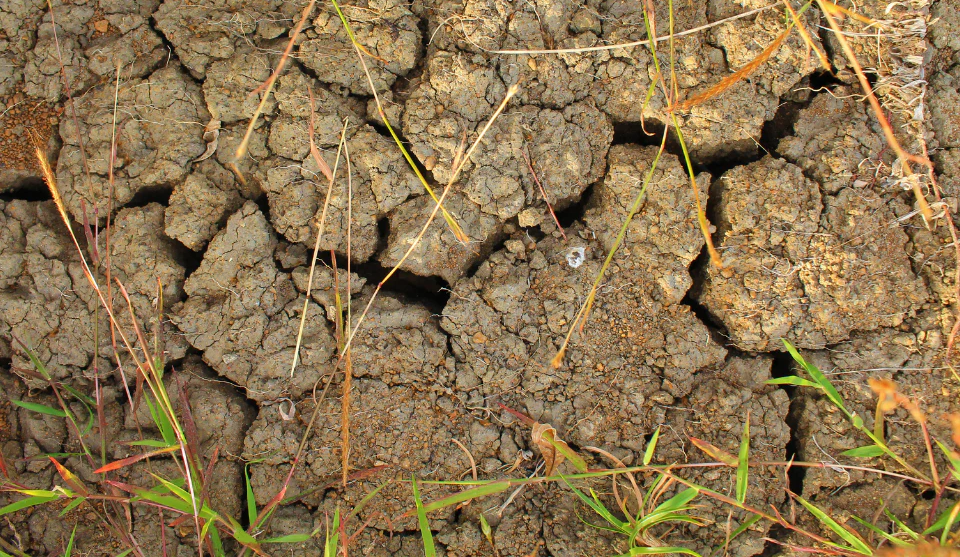
The dreaded clay soil, where few plants are happy…
Designing a successful drought-tolerant garden in San Francisco County, San Mateo County, and Santa Clara County starts below the surface. In the Bay Area, native soils vary widely—from heavy clay to sandy coastal soils to rocky fill—but they all share one critical challenge for xeric plants: drainage.
Most drought-tolerant and Mediterranean plants don’t fail from lack of water—they fail from too much water around their roots. The goal is not to create rich, moisture-retentive soil, but fast-draining, oxygen-rich soil that mimics natural conditions.
This guide walks through how to improve each soil type—especially when full soil replacement isn’t practical—and how to use raised berms and strategic techniques to create ideal planting conditions.
Why Drainage Matters More Than Fertility
Soil texture determines how water moves:
Clay soils hold water tightly and drain slowly
Sandy soils drain quickly but don’t retain nutrients
Rocky soils often drain well but lack rootable volume
These differences come down to pore size and structure—coarse soils drain fast, while fine soils restrict water movement .
For xeric plants, fast drainage always wins over high fertility.
Improving Clay Soil (Common in Inland Peninsula Areas)
What Works
1. Remove and Replace
Taking out the top 18” of soil and replacing it with beter soil is highly effective and will:
Instantly correct structure and aeration
Allow you to plant immediately
And also choose the perfect soil blend for the plants you want to grow
This is the fastest method of them all.
2. Add Organic Matter (The #1 Solution)
Compost, leaf mold, and aged manure:
Improve structure and aeration
Increase pore space for drainage
Support beneficial soil life
Organic matter is consistently cited as the most effective way to loosen clay and improve drainage.
3. Use the Right Structural Amendments
Fir bark, wood chips, or coarse compost
Pumice or lava rock (especially effective in California landscapes)
These materials increase permeability and prevent compaction.
4. Avoid This Common Mistake
❌ Adding sand to clay can create a concrete-like structure
Best Strategy When You Can’t Amend Deeply
Build Raised Berms
It’s not always feasible to replace or amend soil. Building small berms, or soil mounds, is one of the most effective alternative techniques for Bay Area xeriscapes.
Elevate planting areas 12–24 inches above native soil
Use a lean, gritty soil mix (not rich potting soil)
Plant at the top of the berm, where drainage is fastest
Many drought-tolerant plants naturally thrive in berms or slopes where water moves away quickly .
Pro Tip:
Loosen the native clay beneath the berm slightly to encourage root penetration—but don’t try to fully amend it.
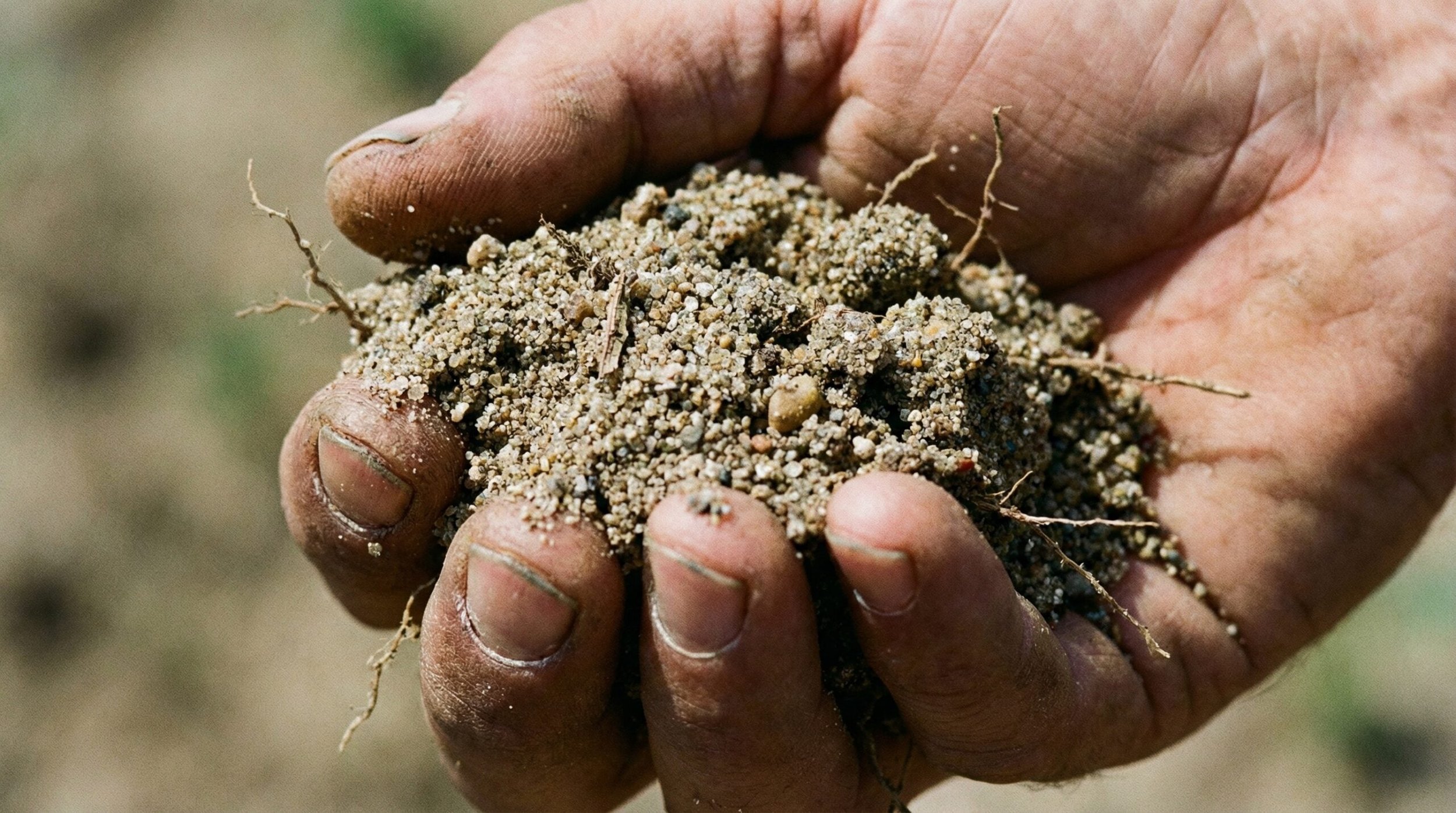
Fast draining is good. Too fast is bad.
Improving Sandy Soil (Common Near Coastal Zones like Pacifica)
The Problem
Sandy soils drain too quickly:
Water and nutrients leach out rapidly
Plants dry out faster than expected
What Works
1. Add Organic Matter (Again!)
Compost, humus, or peat-based materials
Improves water retention and nutrient holding
This is the primary recommendation for sandy soils .
2. Use Mulch Strategically
2–4 inches of mulch reduces evaporation
Helps stabilize soil moisture
Xeric Strategy Adjustment
Unlike clay, sandy soil already drains well—so the goal is balance:
Avoid over-amending into rich, water-retentive soil
Maintain a lean but moisture-buffered profile
Use deep, infrequent irrigation to encourage deep roots
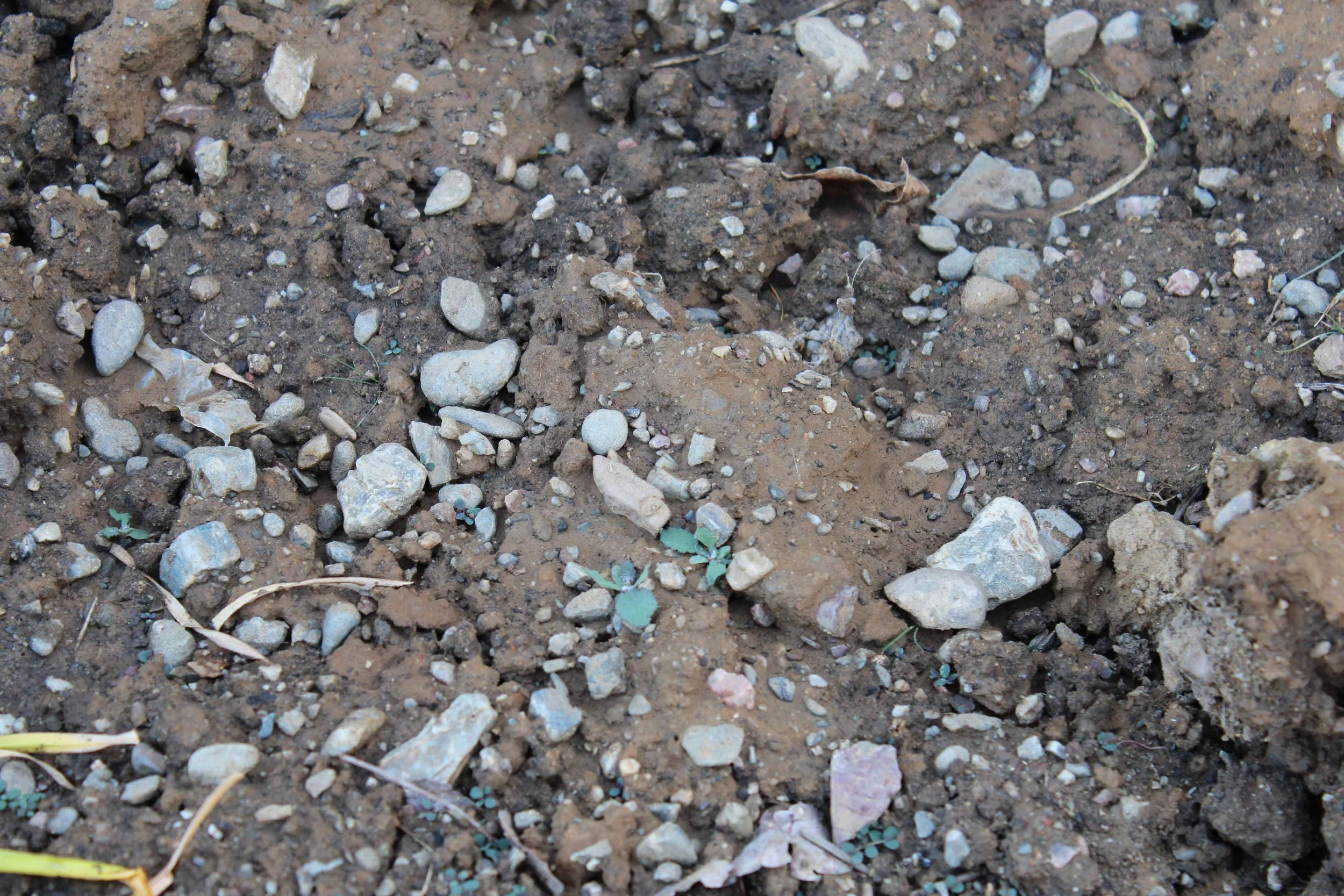
Tough on roots, rocky soil is often shallow
Improving Rocky or Shallow Soil (Common in Hillsides & New Construction)
The Problem
Limited root space
Poor nutrient availability
Fast drainage but inconsistent moisture
What Works
1. Top-Dress Instead of Digging
When excavation is difficult:
Add compost and fine soil on top
Let natural processes incorporate it over time
This low-disturbance approach improves soil gradually without damaging structure .
2. Create Planting Pockets
Excavate small areas for individual plants
Backfill with a well-draining mix
3. Combine with Berms or Mounds
Increase soil depth above rocky layers
Improve root establishment dramatically
Berms, Mounds, and Drainage Design (Key Strategy for All Soil Types)
When large-scale soil replacement isn’t feasible, grading and shaping the soil becomes your most powerful tool.
Why Berms Work
Elevate root zones above poorly draining soil
Increase oxygen availability
Improve winter survival for drought-tolerant plants
Create visual interest and naturalistic design
Berms can also help direct water flow and reduce erosion by slowing runoff
How to Build an Effective Xeric Berm
Height:
12–24 inches minimum for clay soils
Soil Mix:
50–70% native soil
30–50% mineral amendments (pumice, gravel, decomposed granite)
Light compost (not excessive)
Shape:
Broad, gentle slopes (avoid steep piles)
Plant at the top or upper third
Important:
Avoid layering gravel under soil—it can create drainage barriers instead of improving flow.
Additional Techniques for Difficult Sites
1. Plant on Slopes Whenever Possible
Water naturally moves downhill—use that to your advantage.
2. Use Swales and Micrograding
Redirect excess winter water away from planting areas.
3. Minimize Soil Disturbance
Over-tilling destroys structure and can worsen drainage over time.
4. Match Plants to Soil Conditions
Even with improvements, selecting the right plants is critical:
Mediterranean natives
California natives adapted to local soil types
Species that tolerate lean, fast-draining soils
Bay Area-Specific Considerations
Winter rainfall + clay soil = root rot risk
Coastal fog zones (Pacifica, western SF) need extra drainage focus
Urban fill soils often behave like rocky or compacted soils
Alkaline soils are common—choose adapted plants
When to Call a Professional
If your site has:
Severe drainage issues
Large clay expanses
Complex grading challenges
New construction compacted soils
A professional xeriscape contractor can design berms, soil profiles, and drainage systems tailored to your site.
Create a Thriving Low-Water Garden
Improving soil for xeric plants isn’t about making it richer—it’s about making it drain faster and breathe better.
Whether you’re dealing with clay, sand, or rock, the most effective strategies are:
Add organic matter strategically
Incorporate mineral amendments for structure
Build raised berms where needed
Design with drainage in mind
Ready to Transform Your Landscape?
At Xeric Oasis, we specialize in drought-tolerant landscaping in the San Francisco Bay Area, helping homeowners replace thirsty lawns with beautiful, resilient outdoor spaces.
Our services include:
Custom xeriscape design
Lawn replacement and drought tolerant plant installation
Plant selection for Bay Area microclimates
Irrigation design and setup
Low voltage lighting
Whether you're in San Francisco, San Mateo, Palo Alto, Redwood City, Pacifica or surrounding Peninsula communities, we can help you create a landscape that saves water and elevates your home.
👉 Ready to get started? Contact us to schedule a consultation.