Irrigation for Xeric Gardens in the San Francisco Peninsula
How to water less—and smarter—in San Francisco, San Mateo, and Santa Clara counties
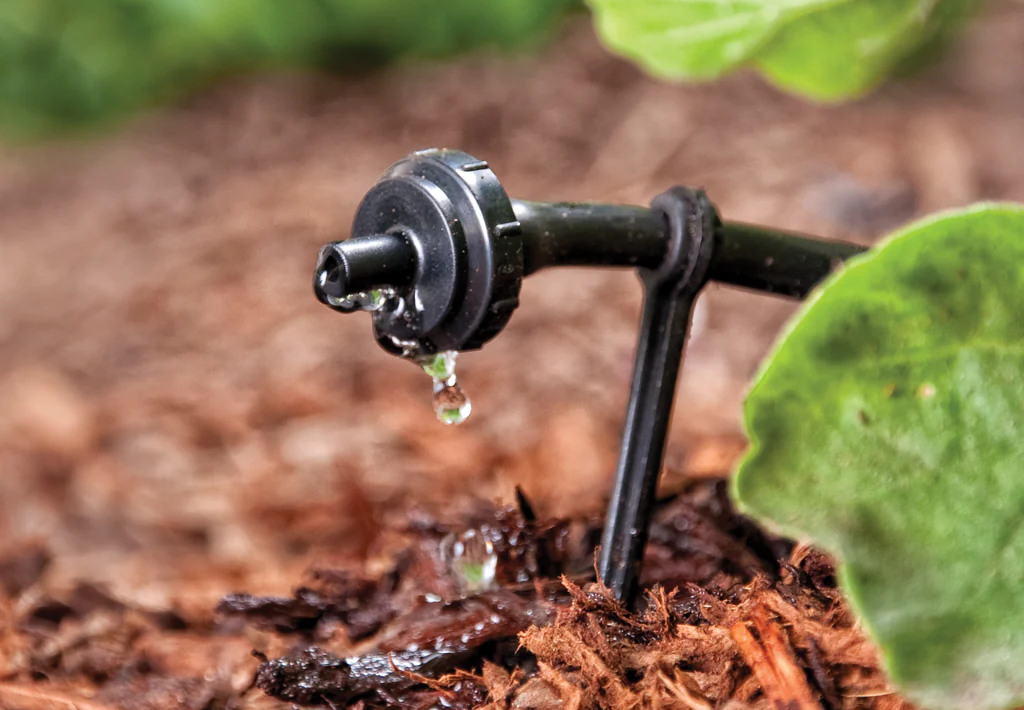
Targeted water is essential
One of the biggest misconceptions about xeriscaping and drought-tolerant landscaping in the San Francisco Bay Area is that it requires no irrigation at all.
The reality is more nuanced—and much more effective when done right.
In San Francisco, San Mateo County, and Santa Clara County, a well-designed low water landscape uses irrigation strategically, temporarily, and efficiently. The goal isn’t to eliminate water entirely—it’s to use just enough, at the right time, in the right way.
If you’re planning a lawn replacement or xeriscape installation in the San Francisco Peninsula, understanding irrigation options is key to long-term success.
The Goal of Irrigation in Xeriscaping
In traditional landscaping, irrigation is permanent and frequent.
In drought-tolerant garden design, irrigation is:
Minimal
Targeted
Often temporary
Most xeric landscapes need water primarily during:
Initial plant establishment (first 1–2 years)
Occasional extreme heat events
👉 After that, many Bay Area drought-tolerant gardens can thrive with little to no supplemental irrigation.
Start with the Smartest Strategy: Plant in the Fall
Before discussing irrigation systems, it’s important to understand the most effective way to reduce irrigation altogether:
🍂 Fall Planting (October–December)
In the San Francisco Peninsula climate, fall is the ideal time to plant. Especially after we’ve had at last one heavy, soaking rain storm that has dampened the ground thoroughly - at least 8-12” deep.
Why it works:
Winter rains naturally irrigate new plants
Cooler temperatures reduce water stress
Roots establish deeply before summer
The Result:
Dramatically reduced need for irrigation
Stronger, more resilient plants
Lower long-term maintenance
👉 For homeowners in San Mateo, Redwood City, Palo Alto, and surrounding areas, this is one of the most impactful decisions you can make.
Drip Irrigation: The Foundation of Xeriscape Watering
Drip irrigation is the most common system used in water-wise landscaping in the Bay Area.
💧 How It Works:
Water is delivered slowly at the base of each plant
Minimizes evaporation and runoff
Targets root zones directly
Types of Drip Systems
1. Point-Source Drip Emitters
These are individual emitters placed at each plant. They allow the highest level of design freedom, giving each plant exactly the right amount of water in an easily adjustable format wherever it’s planted.
Best for:
Shrubs and trees
Individual specimen plants
Flexible layouts
Advantages:
Highly customizable
Efficient water delivery
Easy to adjust as plants grow
2. In-Line Drip (Netafim-Style Systems)
Often referred to as Netafim systems (a leading brand), these use tubing with built-in emitters spaced evenly along the line. This is ideal for large areas of plants that have exactly the same water requirements. The downside is that it’s not as adjustable as point-source drip emitters.
Best for:
Groundcovers
Mass plantings
Designs where all the plants require the same amount of water
Advantages:
Even water distribution
Simpler installation
When to Use Irrigation—and When to Stop
A common mistake is over-irrigating drought-tolerant plants.
Year 1:
Regular deep watering to establish roots
Year 2:
Reduced frequency
Encourage deeper root growth
Year 3+:
Minimal to no irrigation (depending on plant selection and location)
👉 In coastal areas like San Francisco, Daly City and Pacifica, many plants need even less water due to fog and cooler temperatures.
Hand Watering: The Underrated Tool
💧 Why It Works:
Total control over water application
No installation cost
Encourages observation and plant care
Best for:
Small xeriscape gardens
New plantings
Supplemental watering during heat waves
👉 In San Mateo County and Santa Clara County, where microclimates vary widely, hand watering allows you to respond to specific conditions in your yard. Xeric Oasis even offers a watering service where we can visit to hand water your plants, giving them a professional once-over each time we’re there. This service is even inexpensive compared to a full irrigation system.
When You Might Not Need Irrigation at All
In some cases, irrigation can be eliminated entirely.
This is most realistic when:
Planting is done in fall
Native and climate-adapted plants are used
Soil is properly prepared
Mulch is applied generously
👉 Many coastal Bay Area xeriscapes can thrive without permanent irrigation once established.
Common Irrigation Mistakes in the Bay Area
Avoid these pitfalls when designing a low water landscape in San Francisco Peninsula homes:
❌ Using spray irrigation
High evaporation
Water waste
Not suited for xeriscapes
❌ Overwatering native plants
Leads to root rot
Shortens plant lifespan
❌ Poor system design
Uneven coverage
Inefficient water use
❌ Leaving irrigation on permanently
Prevents plants from adapting
Increases maintenance and cost
Irrigation + Design = Success
The most effective xeriscape landscapes in the Bay Area integrate irrigation into a larger system that includes:
Soil preparation
Mulching
Plant selection
Microclimate awareness
Irrigation is just one piece of the puzzle—not the solution on its own.
What This Means for San Francisco Peninsula Homeowners
With the Peninsula’s unique mix of:
Coastal fog
Inland heat
Clay-heavy soils
…irrigation strategies must be tailored carefully.
A well-designed system:
Uses drip irrigation where needed
Reduces or eliminates watering over time
Supports long-term plant health
Work with Xeric Oasis for Smarter Irrigation
At Xeric Oasis, we specialize in drought-tolerant landscaping, xeriscape design, and lawn replacement in the Bay Area.
We help homeowners:
Design irrigation systems that minimize water use
Select plants that thrive with little to no irrigation
Transition away from high-water landscapes
From consultation to installation, our goal is to create landscapes that thrive with minimal water—without sacrificing style.
👉 Ready to reduce your water use and build a smarter landscape? Contact us to schedule a consultation.
Final Thoughts
In xeriscaping, irrigation isn’t about watering more—it’s about watering better.
With the right approach, you can:
Cut water use dramatically
Reduce maintenance
Create a resilient, climate-adapted garden
And in the San Francisco Bay Area, where water is precious, that’s not just smart—it’s essential.