How to Replace Your Lawn with a Stunning Xeriscape (Step-by-Step)
A practical guide for homeowners in the San Francisco Peninsula
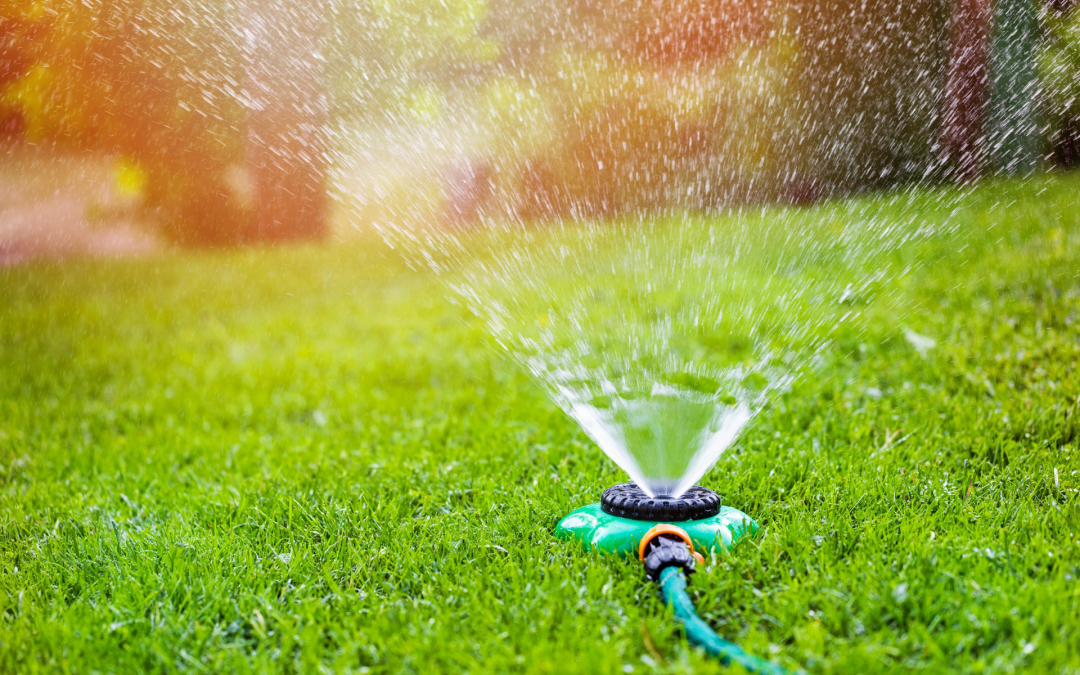
A large lawn can add $100-$150 per month to Northern California water bills.
If you live on the San Francisco Peninsula, you’ve likely felt the tension between wanting a beautiful yard and managing water use, maintenance, and rising costs. Traditional lawns demand constant irrigation, mowing, fertilizing, and upkeep—yet often struggle in California’s dry summers.
The good news? You can replace your lawn with a stunning, drought-tolerant xeriscape that uses a fraction of the water, requires less maintenance, and looks incredible year-round.
This step-by-step guide walks you through exactly how to do it—and how to avoid the most common mistakes homeowners make when converting to a low water landscape in the Bay Area.
Why Replace Your Lawn with Xeriscaping?
Before diving into the process, it’s worth understanding the benefits of lawn replacement in California:
💧 Reduce water use by 50–80%
💸 Lower monthly water bills
🌿 Eliminate mowing and reduce maintenance
🐝 Support pollinators and native ecosystems
🌎 Create a climate-resilient landscape
For homeowners in cities like Palo Alto, San Mateo, Redwood City, and Burlingame, xeriscaping isn’t just a trend—it’s quickly becoming the new standard.
Step 1: Evaluate Your Site Conditions
Every successful drought-tolerant landscape design in the Bay Area starts with understanding your site.
Key factors to assess:
Sun exposure (full sun vs. shade)
Soil type (clay, sandy, loam)
Drainage patterns
Slope and erosion risk
Existing irrigation system
💡 Pro tip: Many Peninsula homes have heavy clay soil, which affects plant selection and drainage. Designing with this in mind prevents long-term issues.
Step 2: Remove Your Existing Lawn
This is the most labor-intensive step—but also the most important.
Common lawn removal methods:
1. Sheet Mulching (Recommended)
Layer cardboard over grass
Add compost + mulch on top
Let it decompose naturally
Best for eco-friendly lawn replacement in the Bay Area.
2. Sod Cutting
Physically remove turf with a sod cutter
Faster, but more labor and disposal required - this type of waste is pretty heavy and whether you take it to landfill or recycle it as green waste, you’ll pay by the ton. You’ll need a truck and trailer for this.
3. Solarization
Cover lawn with plastic to kill grass using heat
Works best in hot inland areas (less effective near the coast)
Solarization typically takes four to six weeks of hot, sunny weather to kill grass and weeds, and up to eight or more weeks.
🚫 Avoid herbicides whenever possible—they disrupt soil health and ecosystems.
Of course, if you have a synthetic lawn, your work will involve removing all the metal pins holding the lawn down, and the boards at the edges keeping it stretched tight. Then you’ll need to roll up the lawn material. This pile of non-compostable waste will have to go to landfill, so if you have a truck and trailer you’re in luck. Otherwise, you’ll need to hire a crew to remove the material.
Step 3: Improve and Prepare the Soil
Healthy soil is the foundation of a successful xeriscape.
Add compost to improve structure and biology
Avoid over-amending (many drought-tolerant plants prefer lean soil)
Grade the area for proper drainage
💡 In xeriscape design, the goal is not rich soil—but well-draining, balanced soil that encourages deep root growth.
Once again, if you have a synthetic lawn, the situation will be different. Under that lawn will have been laid a 3- to 4-inch compacted base of aggregate, such as class II road base or 3/4-inch crushed rock, to ensure proper drainage and stability. This is followed by a 0.5-inch layer of finer material (like decomposed granite or sharp sand) to smooth the top layer. before you can plant, this will need to be removed.
Step 4: Design Your Xeriscape Layout
This is where your yard transforms from “removed lawn” to “intentional landscape.”
Key design principles:
🌿 Group Plants by Water Needs
Known as hydrozoning, this ensures efficient irrigation.
🌵 Use Layers
Groundcovers
Perennials
Shrubs
Small trees
🪨 Add Hardscape Elements
Gravel pathways
Stone patios
Boulders and dry creek beds
🎨 Plan for Year-Round Interest
Use a mix of textures, bloom times, and colors.
💡 A professional xeriscape design in San Francisco Peninsula homes often blends California natives with Mediterranean plants for both beauty and resilience.
Step 5: Choose the Right Drought-Tolerant Plants
Plant selection is critical for long-term success.
Popular low water landscaping plants in the Bay Area include:
California native sages (Salvia spp.)
Manzanita (Arctostaphylos)
California lilac (Ceanothus)
Lavender (Lavandula)
Yarrow (Achillea)
California fuchsia (Epilobium)
For gopher-prone areas, prioritize gopher-resistant plants in California—but remember, no plant is completely safe.
💡 Choose plants adapted to your exact microclimate—coastal fog zones differ significantly from inland Peninsula areas.
Step 6: Install Efficient Irrigation
Yes—even xeriscapes need water during establishment.
Best options:
Drip irrigation systems
Inline emitter tubing
Smart irrigation controllers
After 1–2 years, many drought-tolerant gardens in California can survive with minimal or no summer irrigation.
Step 7: Apply Mulch for Water Retention
Mulch is essential in low water landscaping.
Benefits:
Reduces evaporation
Suppresses weeds
Regulates soil temperature
Recommended types:
Bark mulch (natural look)
Gravel mulch (modern aesthetic)
Apply 3–4 inches for best results.
Step 8: Maintain (Less Than You Think)
One of the biggest advantages of xeriscaping is reduced maintenance.
Typical upkeep includes:
Occasional pruning
Seasonal weeding
Checking irrigation
Compared to lawns, maintenance time drops dramatically.
Common Mistakes to Avoid
Even well-intentioned homeowners can run into trouble. Watch out for:
❌ Overwatering drought-tolerant plants
❌ Poor plant spacing (too crowded or too sparse)
❌ Ignoring soil drainage
❌ Mixing incompatible plant types
❌ Skipping a design plan
Should You DIY or Hire a Professional?
While some homeowners tackle lawn replacement themselves, a professional xeriscape design and installation company in the San Francisco Peninsula can help you:
Avoid costly mistakes
Maximize water savings
Create a cohesive, high-end design
Navigate local regulations and rebates
Transform Your Yard with Xeric Oasis
At Xeric Oasis, we specialize in drought-tolerant landscaping in the San Francisco Bay Area, helping homeowners replace thirsty lawns with beautiful, resilient outdoor spaces.
Our services include:
Custom xeriscape design
Lawn replacement and drought tolerant plant installation
Plant selection for Bay Area microclimates
Irrigation design and setup
Low voltage lighting
Whether you're in San Francisco, San Mateo, Palo Alto, Redwood City, Pacifica or surrounding Peninsula communities, we can help you create a landscape that saves water and elevates your home.
👉 Ready to get started? Contact us to schedule a consultation.
Final Thoughts
Replacing your lawn with a xeriscape is one of the most impactful upgrades you can make to your property in California. With the right approach, you’ll gain a landscape that’s not only water-wise—but also more beautiful, functional, and sustainable.
The key is thoughtful design, the right plants, and a clear plan from the start.
And once it’s done? You may never miss your lawn again.