Fire Resistant Plants: What You Need to Know
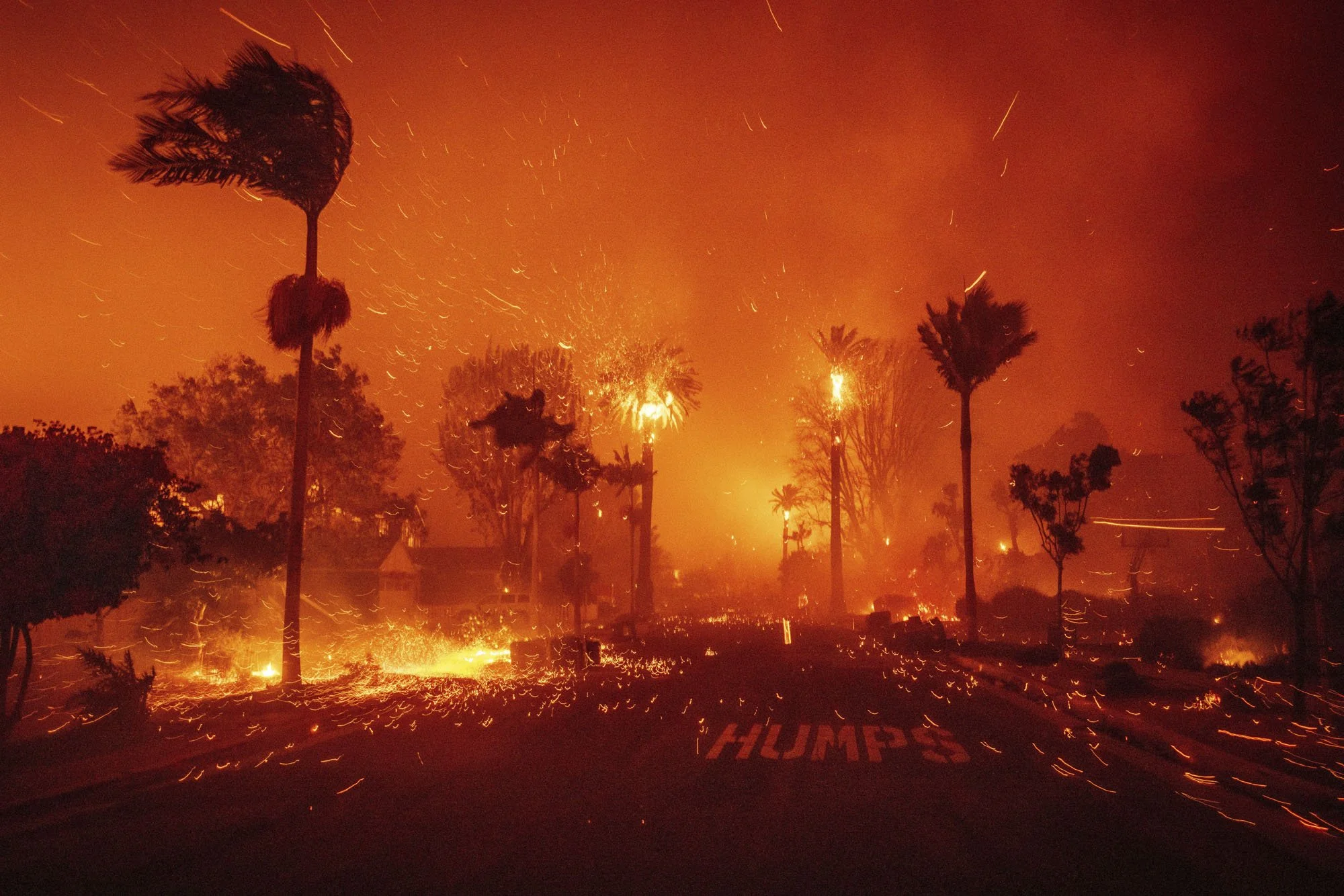
Palms burning in Los Angeles
By Annie
If you have read our article on Landcaping to Reduce Fire Risk, you’ll know that this ever-increasing threat requires proactive work to protect our homes. Part of that means designing landscapes so that fire doesn’t spread through them to your home, and part of that equation involves selecting fire resistant plants.
However, this article discusses the differences in meaning that the term “fire resistant” holds for various plant groups, and municipalities, and lists plants that will work to reduce fire threat in Zones 1 and 2 of your garden.
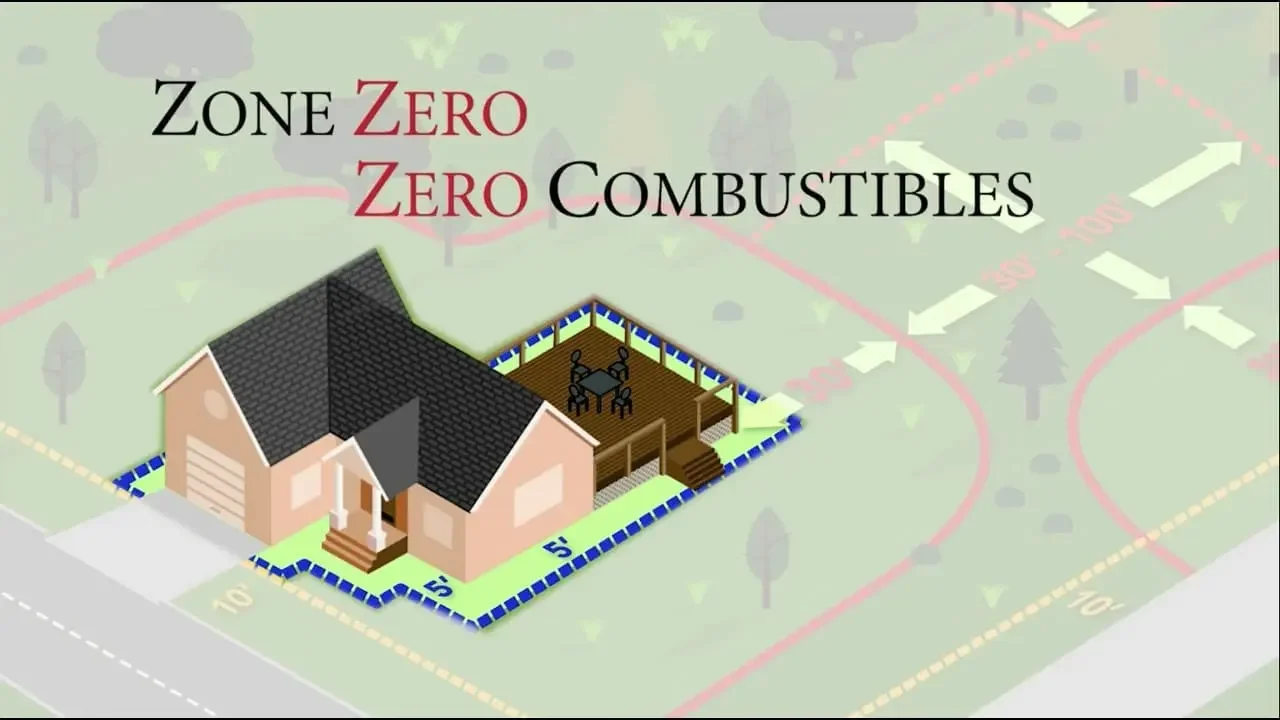
Zone Zero - don’t plant anything flammable here
What Does Fire Resistant Mean?
An important distinction to make is the difference between plants that are difficult to set on fire (note that I said “difficult” since none are impossible to burn) and those that regrow easily after being burned.
A search online for lists of fire resistant plants will quickly give you thousands to choose from, but closer inspection will reveal that these plant lists are developed by different types of people - those trying to prevent fire, and those living in fire prone areas where plants have become adapted to recovering from being burned.
It’s certainly true that there’s crossover between these groups, and between their plant lists, but for the purposes of this article we’re interested in those plants that are difficult to set alight in the first place, since our first order of business is to protect homes and structures from fire.
Characteristics of Fire-Resistant Plants
High moisture content: Succulents, for example, store water in their leaves and stems, making them less likely to catch fire.
Low resin or oil content: Avoid plants with waxy, resinous, sticky or aromatic foliage, such as junipers and eucalyptus, which burn quickly.
Open growth habits: Plants with less dense foliage and fewer dead materials are less likely to sustain a fire. Dense plants can be “ember traps” and foster fire easily.
Growth speed and size potential: Fast-growing plants need more space and possibly more maintenance: think carefully about how tall or wide they will get.
Shedding habits: Plants that shed bark, seeds or leaves (known as “litter”) need frequent cleanup to reduce fire hazards. Even evergreens will shed litter though.
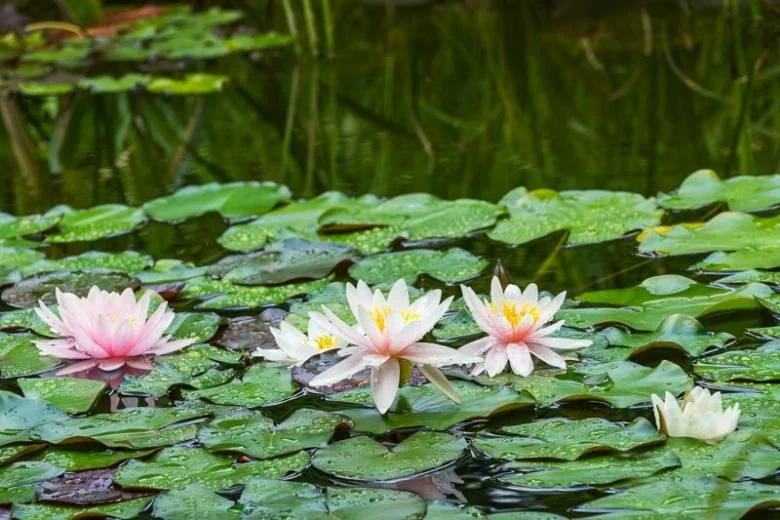
Possibly the most fire resistant plant?
Plant Choice: Things to Watch Out For
There are a number of areas where plant selection may prove tricky though. For one, various authorities produce lists of fire resistant plants, but they are sometimes contradictory and rarely complete. Part of the reason for this is that some fire resistant plants are suitable for Zone 3, for example, but not Zone 2 due to their size or other characteristics.
Secondly, choosing plants based on ‘fire-safe’ labels can be problematic. Research shows that plant flammability tests lack standardization, making ‘fire-safe’ claims unreliable. In addition, definitions used in flammability testing can vary, leading to confusion
Next, how a plant is cared for and where it grows can affect its fire resistance more than its label. A well watered shrub with plump leaves that has had any dead material removed regularly will be far more fire resistant than a shriveled, dry plant of the same species surrounded by dead leaves and twigs.
Lastly, native plants are often a good choice, as they are adapted to local conditions and require less water, reducing the need for irrigation, but beware of confusing fire resistant plants (those that resist being set alight) with fire adapted plants (those who can survive being burned and will spring back to life soon after, or who benefit from being burned in order to reproduce and can even encourage fire thanks to their volatile oil content.)
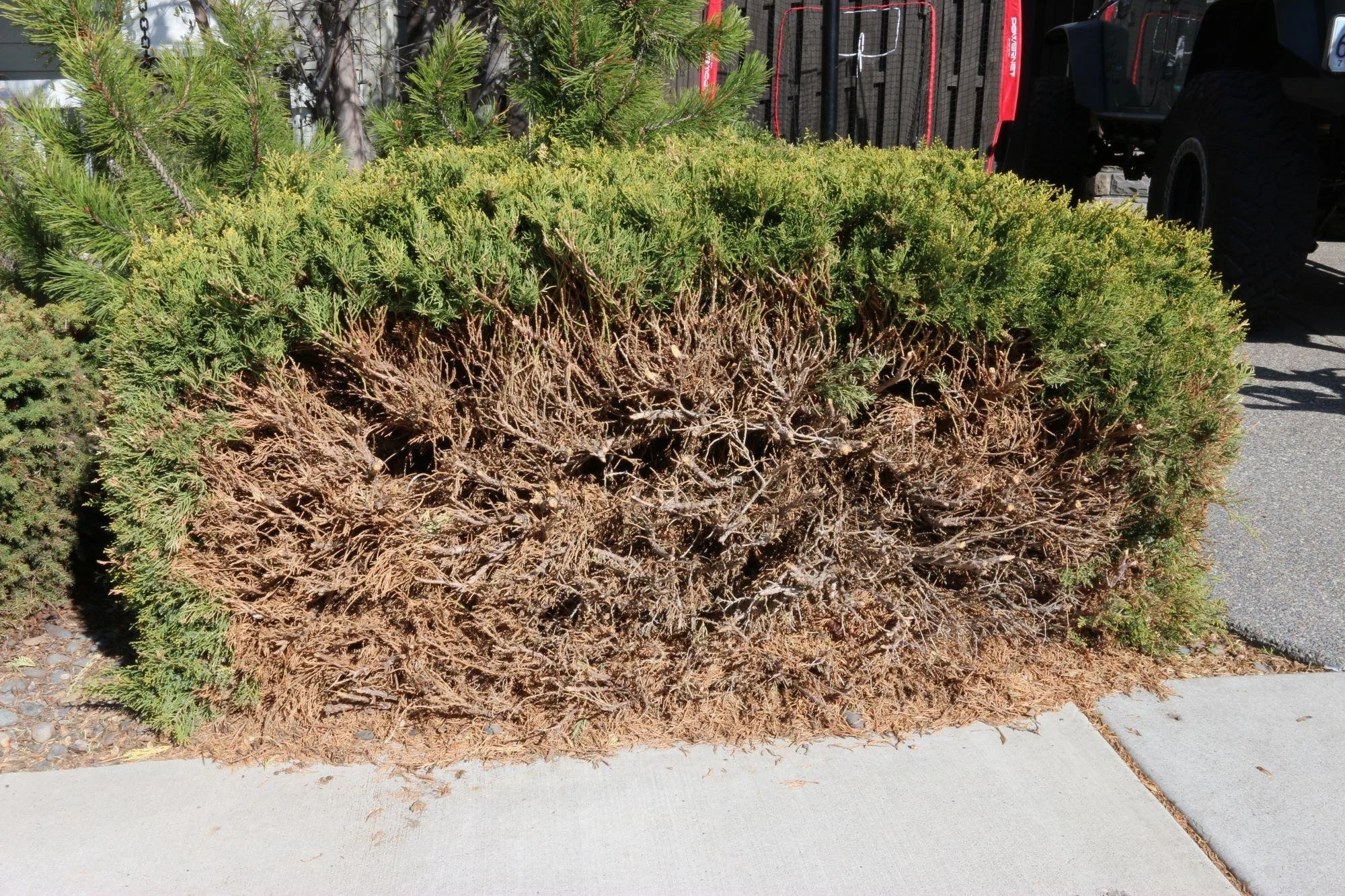
Well, it looked green on the outside…
Proactive Steps for Homeowners
To reduce fire risk through landscaping, homeowners should take the following steps:
Conduct regular maintenance: Clear dead leaves, branches, and other debris from the yard and roof. Keep plants trimmed and well-watered.
Use fire-resistant materials: Opt for non-combustible materials in walkways, patios, and ground covers.
Create breaks in vegetation: Incorporate hardscape features like paths, retaining walls, or patios to act as fire breaks.
Stay informed: Monitor local fire danger levels and adhere to any guidelines or restrictions issued by authorities.
Why Work with Xeric Oasis?
At Xeric Oasis, we specialize in fire-safe, drought-tolerant landscaping, xeriscape design, and lawn replacement in the Bay Area.
We help homeowners:
Replace high-water lawns with stunning, low-water landscapes
Select the right plants for their specific microclimate
Design outdoor spaces that balance beauty, function, and sustainability
Understand specific municipal codes to make sure your home meets their guidelines for fire safety.
From consultation to installation, our goal is to create landscapes that thrive with minimal water—without sacrificing style or putting your home at risk.
👉 Ready to prepare your garden for fire season? Contact us to schedule a consultation.
Final Thoughts
Fire season is now year round in some areas. Landscaping for fire safety involves much more than mere aesthetics; it's about creating a defensible space that protects your home and family. Homeowners, by understanding the principles of defensible space, recognizing the impact of global warming on fire frequency, and selecting fire-resistant plants and materials, can make their properties much safer and resilient.
At Xeric Oasis not only are a great many of the plants we use considered resistant to fire, but we can also design a garden from scratch that creates fire breaks, uses hardscape safely, and sites trees and other plants so they don’t contribute to the growing risk of fire in our area.
With proactive planning and maintenance, one can coexist with the increased fire risks of a changing climate and still enjoy a beautiful and functional landscape.