Top Three Sculptural Plants for the Bold Dry Garden
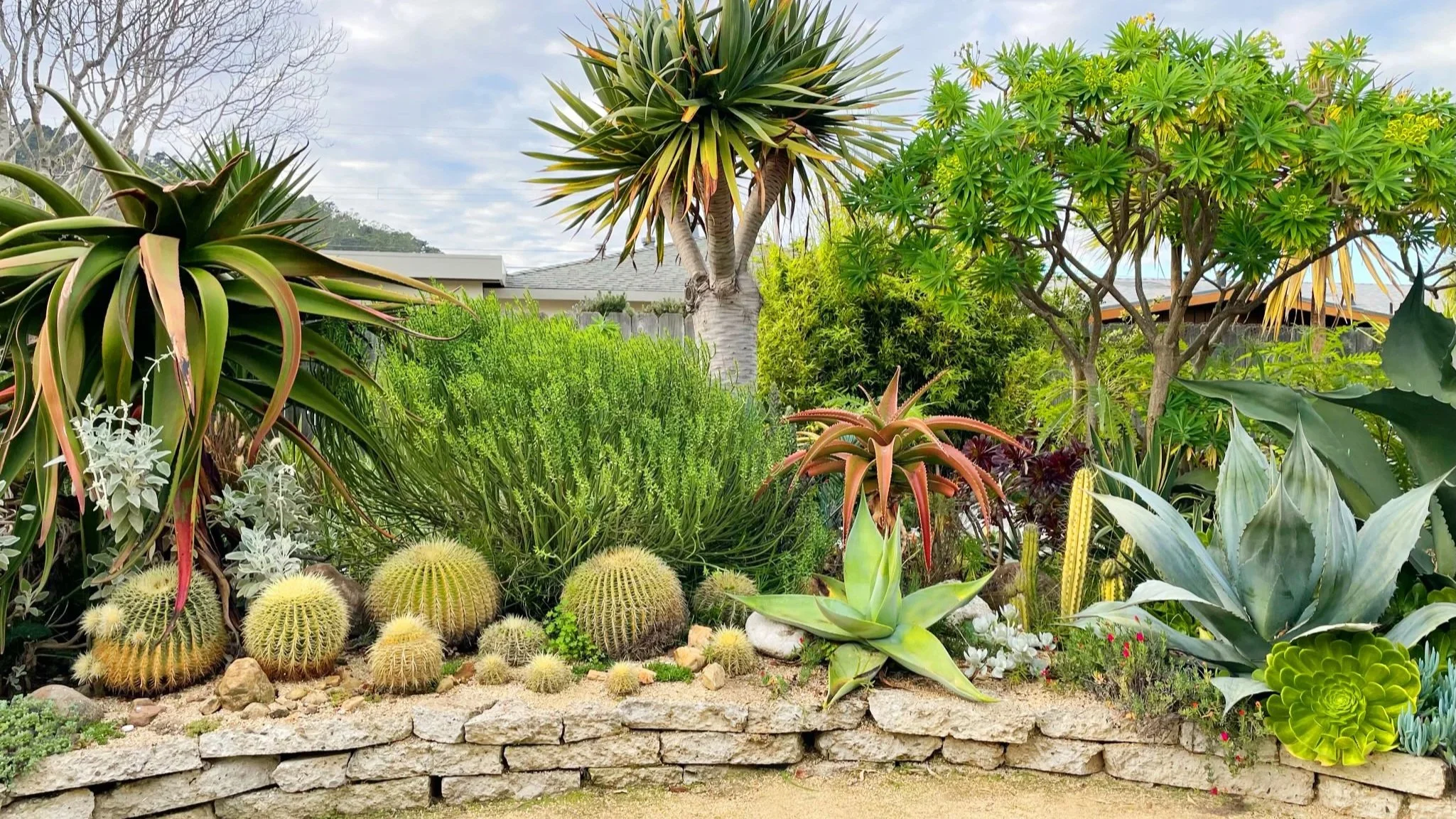
Thinking architectural? Go big or go home!
By Annie
When most people think of drought-tolerant landscaping, they imagine a garden full of small shrubs and gravel. But what if your garden could be both water-wise and visually dramatic?
At Xeric Oasis, we believe that sustainable landscapes should be unforgettable. Some of the most striking plants for California dry gardens bring powerful architectural form, year-round interest, and exceptional drought tolerance. If you're looking to create a landscape that feels modern, artistic, and distinctly Californian, three plant groups stand above the rest, and one of them is a little rare: Yuccas, Cussonias, and Agaves.
These sculptural plants thrive in the San Francisco Bay Area's Mediterranean climate while creating focal points that can transform an ordinary yard into a living work of art.
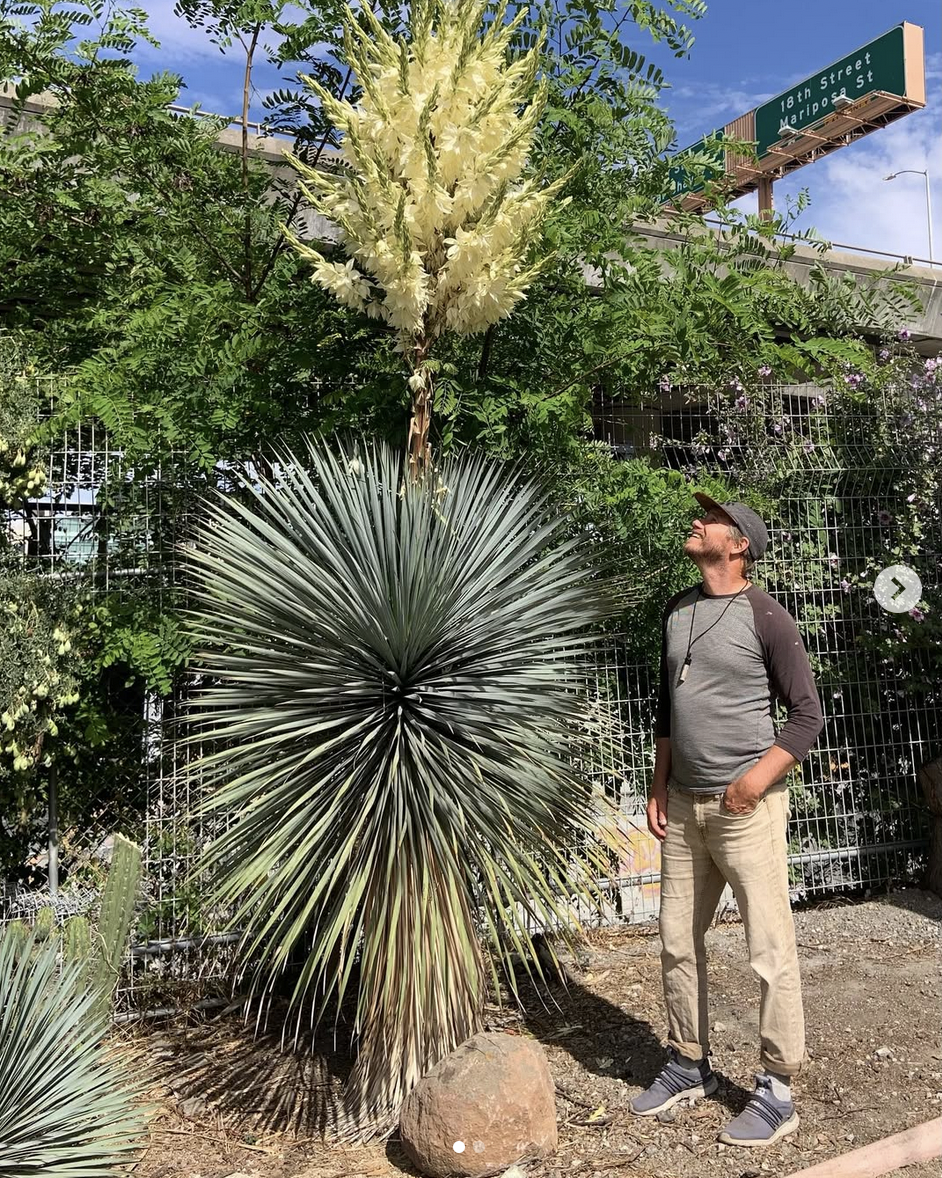
Yucca rostrata in bloom
1. Yuccas: The Ultimate Architectural Statement Plant
Few plants create stronger visual impact than a mature yucca. With their bold sword-like leaves, dramatic silhouettes, and incredible resilience, yuccas have become a cornerstone of modern xeriscape design throughout California.
Why Yuccas Work So Well in Bay Area Landscapes
Many Yucca species evolved in harsh desert and semi-arid environments, making them exceptionally adapted to drought conditions. Once established, they require minimal supplemental irrigation and thrive in the well-drained soils commonly found throughout San Mateo County, Santa Clara County, and San Francisco.
Their strong vertical form provides a striking contrast to softer ornamental grasses, flowering perennials, and low-growing groundcovers.
Favorite Yuccas for Peninsula Gardens
Yucca rostrata (Beaked Yucca) is one of the finest sculptural plants available. Its perfectly spherical crown of blue-gray leaves atop a single trunk creates an elegant, almost sculptural appearance.
Yucca filifera (Mexican Tree Yucca) delivers a bold desert aesthetic with a thick trunk, sharp, deep green leaves and a commanding presence. Relatively fast growing, and totally xeric.
Yucca linearifolia offers a refined, contemporary look that pairs beautifully with modern architecture. Usually seen in smaller sizes, this plant can grow a trunk and has a touchable look, with added movement.
Design Uses
Yuccas excel as:
Specimen focal points
Entry garden accents
Modern landscape features
Drought-tolerant front yard centerpieces
Architectural anchors in xeric planting schemes
Because they maintain their structure year-round, yuccas provide permanent visual interest even during the driest months of the year.
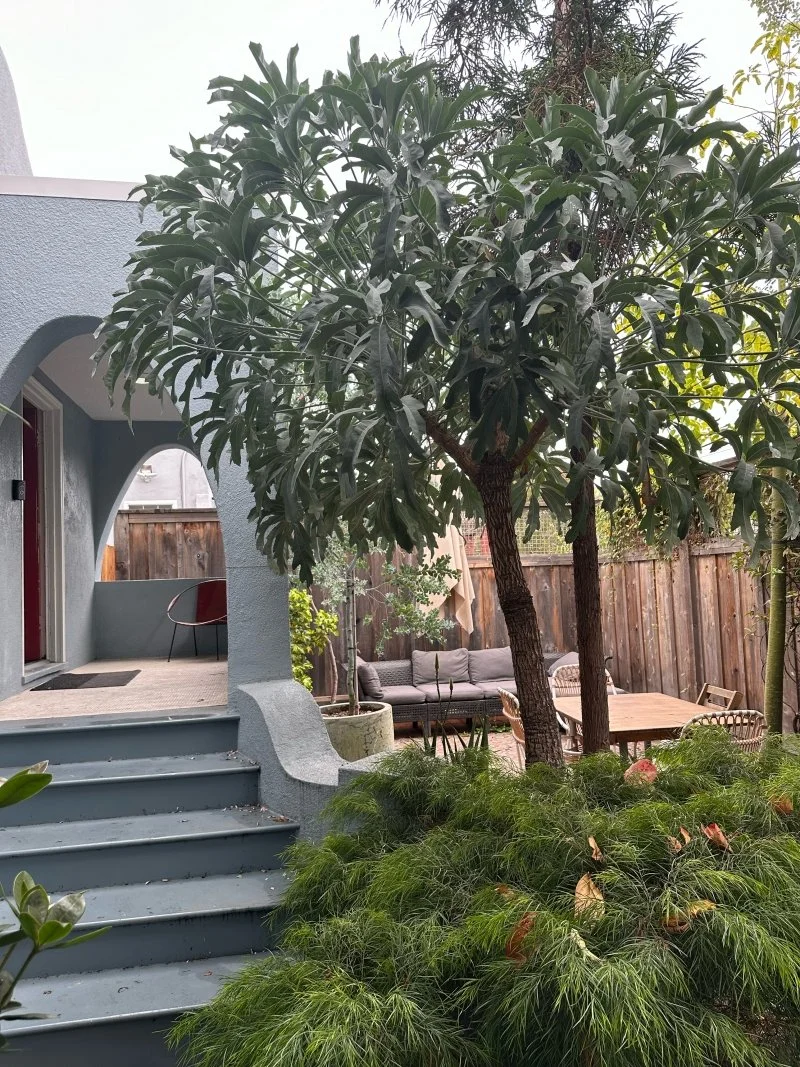
Cussonia paniculata (photo courtesy Flora Grubb Gardens)
2. Cussonias: The Rare Sculptural Tree You Didn't Know You Needed
For homeowners seeking something truly unique, few plants generate more conversation than a cussonia.
Native to southern Africa, Cussonias are often called "cabbage trees" and are prized for their thick sculptural trunks and distinctive foliage. Although still relatively uncommon in California landscapes, they are becoming increasingly popular among designers who specialize in drought-tolerant gardens and rare plant collections.
Why Cussonias Are Perfect for Xeric Gardens
Cussonias bring an almost prehistoric character to the landscape. Their swollen trunks, rough bark, intricate branching patterns, and finely divided palmate leaves create visual interest unlike any traditional ornamental tree.
Many species are remarkably drought tolerant once established and perform exceptionally well in the mild coastal climates found throughout the San Francisco Peninsula.
Certainly not a common tree, we do have suppliers in the Bay area and you can see these plants at Flora Grubb Gardens in San Francisco.
Favorite Species
Cussonia paniculata is perhaps the most desirable species for residential gardens. Its blue-gray foliage and dramatic trunk create an extraordinary sculptural specimen.
Cussonia spicata develops into a larger tree with a broad canopy and impressive architectural structure.
Design Uses
Cussonias work beautifully as:
Living sculptures
Courtyard focal points
Container specimens
Modern landscape accents
Rare collector plants
Because they remain relatively uncommon, a mature cussonia immediately distinguishes a landscape from the typical Bay Area garden.
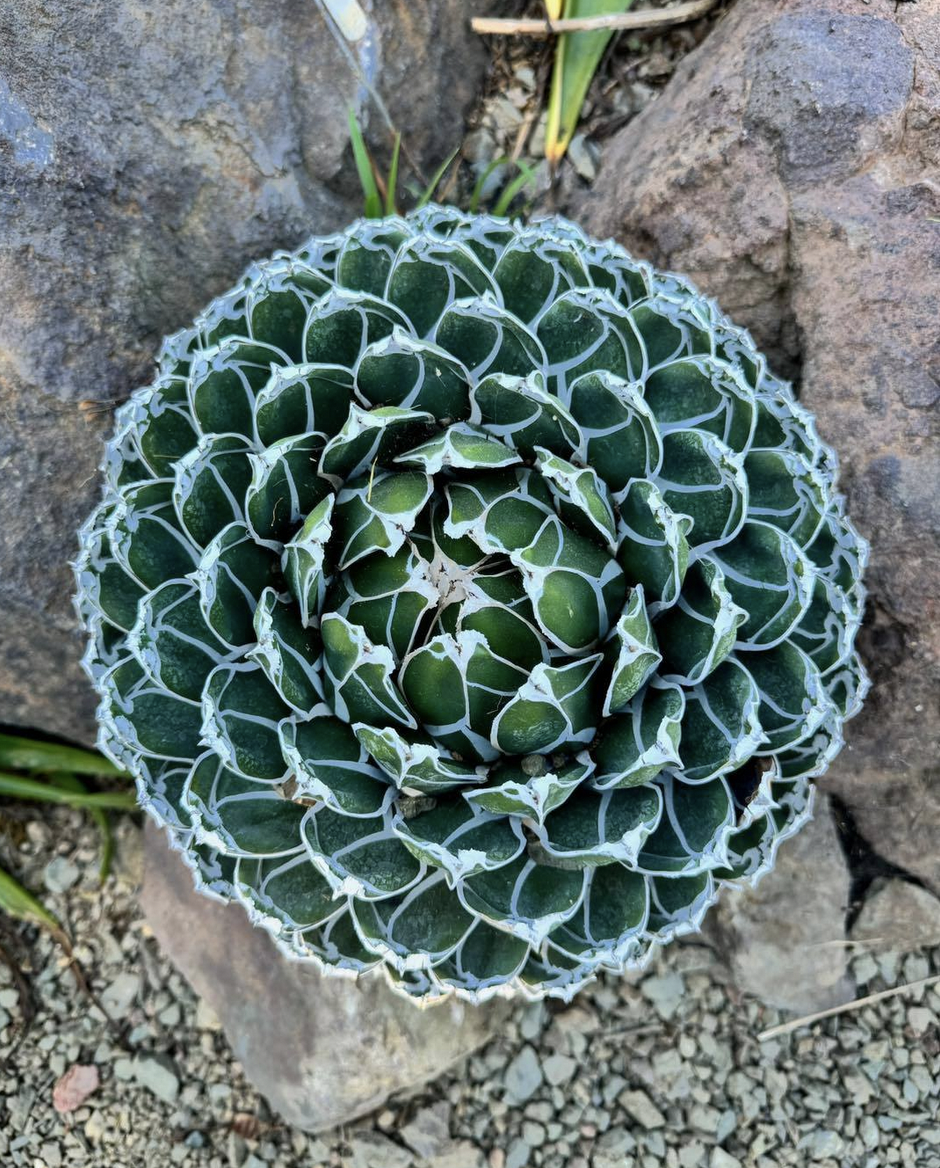
Agave victoria-regina
3. Agaves: Living Sculpture for Water-Wise Landscapes
No discussion of sculptural drought-tolerant plants would be complete without Agaves.
These iconic succulents have become synonymous with modern California landscape design, and for good reason. Their symmetrical rosettes, dramatic leaf forms, and remarkable drought resistance make them among the most valuable plants available for sustainable landscapes.
Why Agaves Thrive in the Bay Area
Most agaves flourish in the Bay Area's dry summers and mild winters. Once established, many species require little or no supplemental irrigation, making them ideal for homeowners looking to reduce water use while maintaining visual impact.
Their geometric forms provide year-round structure and pair exceptionally well with boulders, gravel mulches, ornamental grasses, and native California plants.
Favorite Agaves for Peninsula Landscapes
Agave ovatifolia (Whale's Tongue Agave) offers broad blue-gray leaves and impressive scale.
Agave parryi ssp. truncata (Artichoke Agave) forms compact, highly symmetrical rosettes with exceptional drought tolerance.
Agave victoriae-reginae is prized for its intricate white leaf markings and striking architectural form.
Agave attenuata is the softer, toothless agave for properties still seeking dramatic visual impact.
Design Uses
Agaves excel as:
Front yard focal points
Dry garden centerpieces
Contemporary landscape features
Hillside stabilization plants
Container specimens
Few plants create as much visual drama with as little water.
Creating a Cohesive Sculptural Dry Garden
The real magic happens when yuccas, cussonias, and agaves are combined thoughtfully.
At Xeric Oasis, we often layer these plants to create landscapes that offer multiple levels of architectural interest:
Agaves provide strong ground-level geometry.
Yuccas introduce vertical structure and height.
Cussonias add canopy, branching form, and long-term visual maturity.
Together, they create dynamic compositions that remain attractive throughout the year while using significantly less water than conventional landscapes.
Complemented by drought-tolerant grasses, California natives, succulents, and permeable hardscaping, these plants become the backbone of a truly sustainable garden.
Sustainable Beauty for the San Francisco Peninsula
Whether you're renovating a front yard in Pacifica, creating a modern landscape in Palo Alto, redesigning a hillside property in San Mateo, or installing a drought-tolerant garden in Menlo Park, sculptural plants can dramatically elevate the design.
Yuccas, Cussonias, and Agaves offer a rare combination of beauty, durability, and water efficiency. Their bold forms create year-round interest while supporting a more sustainable approach to landscaping in California's changing climate.
If you're ready to transform your property with a professionally designed xeric landscape, Xeric Oasis specializes in drought-tolerant landscape design, dry garden installation, sustainable landscaping, water-wise plant selection, and sculptural garden design throughout the San Francisco Bay Area and Peninsula.
Contact us to learn more about our design process and discover how a beautiful low-water landscape can thrive in your outdoor space.